What to plant in Qatar in January
January in Qatar falls in Al-Murabbaniya and Ash-Shabt. Typical highs are around 22° and lows around 14°. 18 crops can be sown or planted in January. 26 crops are ready to harvest.
Excellent planting conditions
Temperatures are in the ideal band for most vegetables. Sow straight into open ground.
Sow or plant in January
Open all month
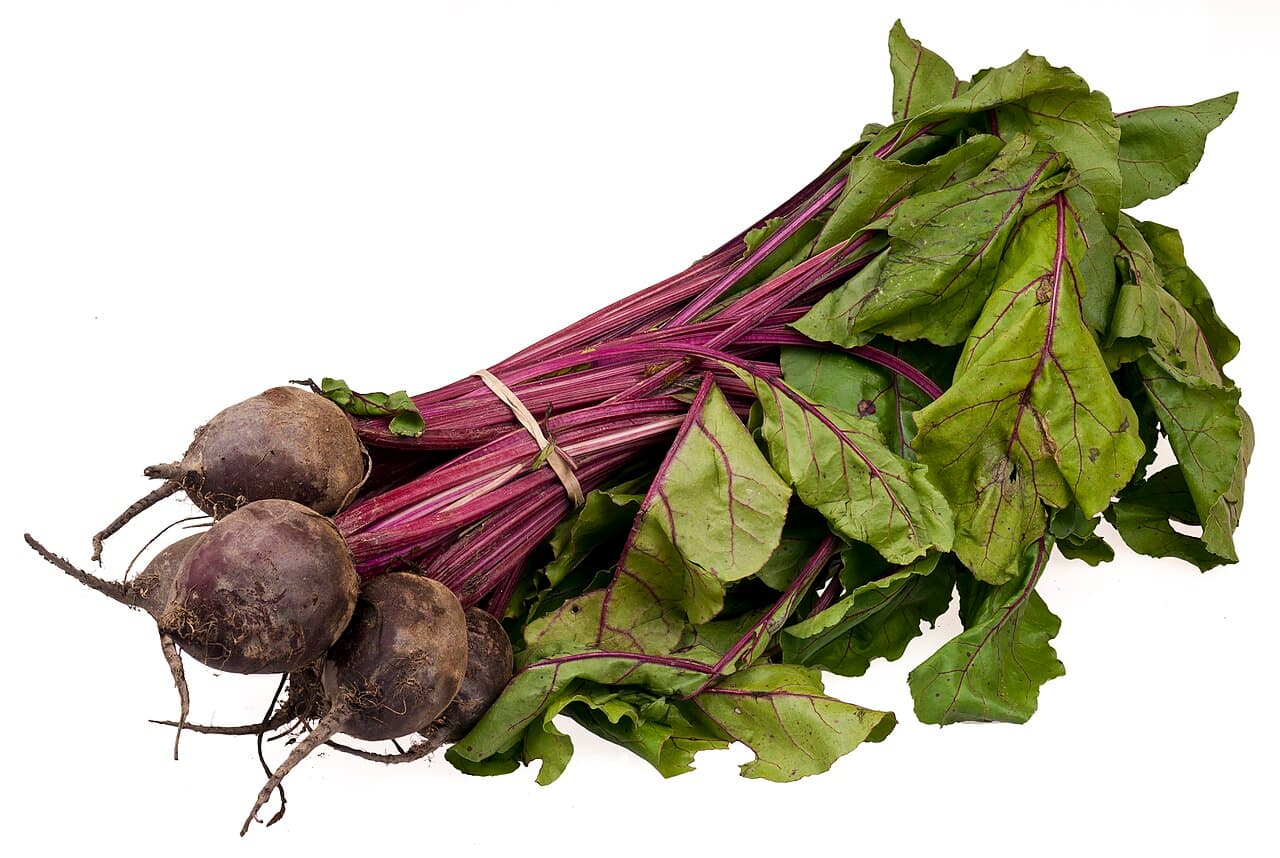
Beetroot
60–85 days·
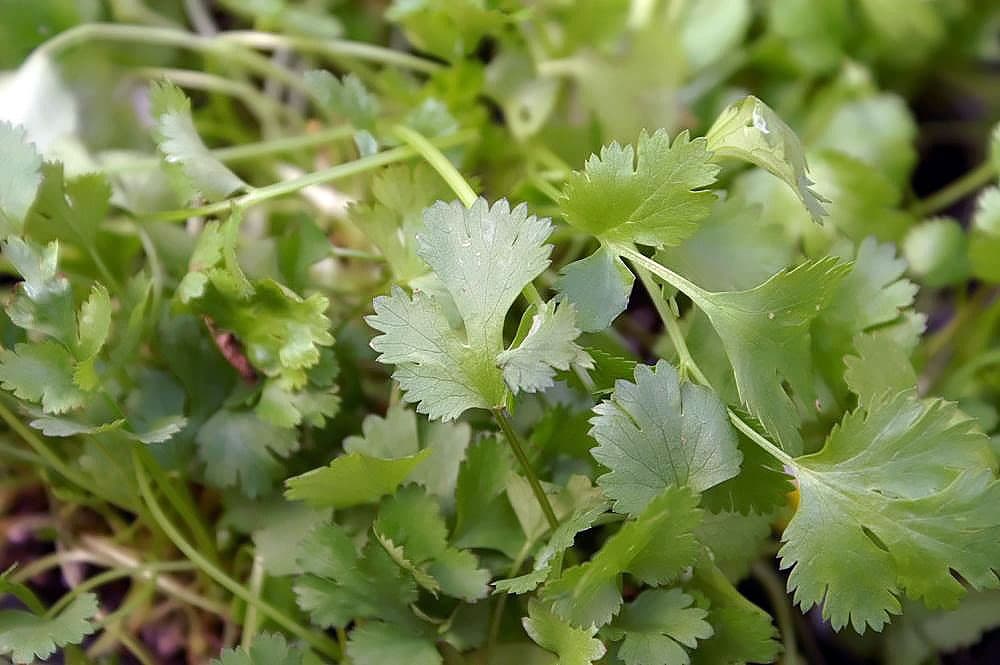
Coriander
35–50 days·
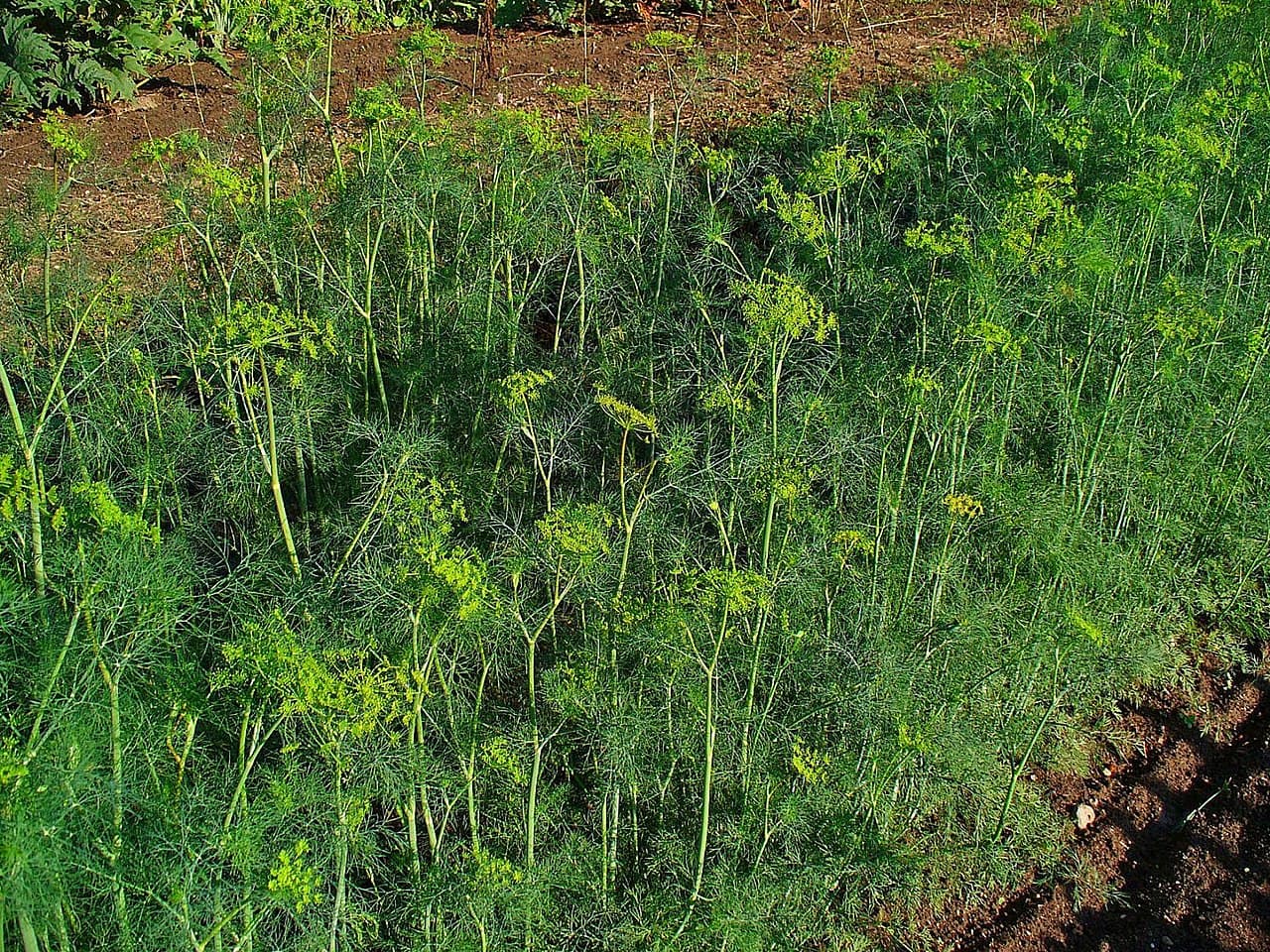
Dill
40–60 days·
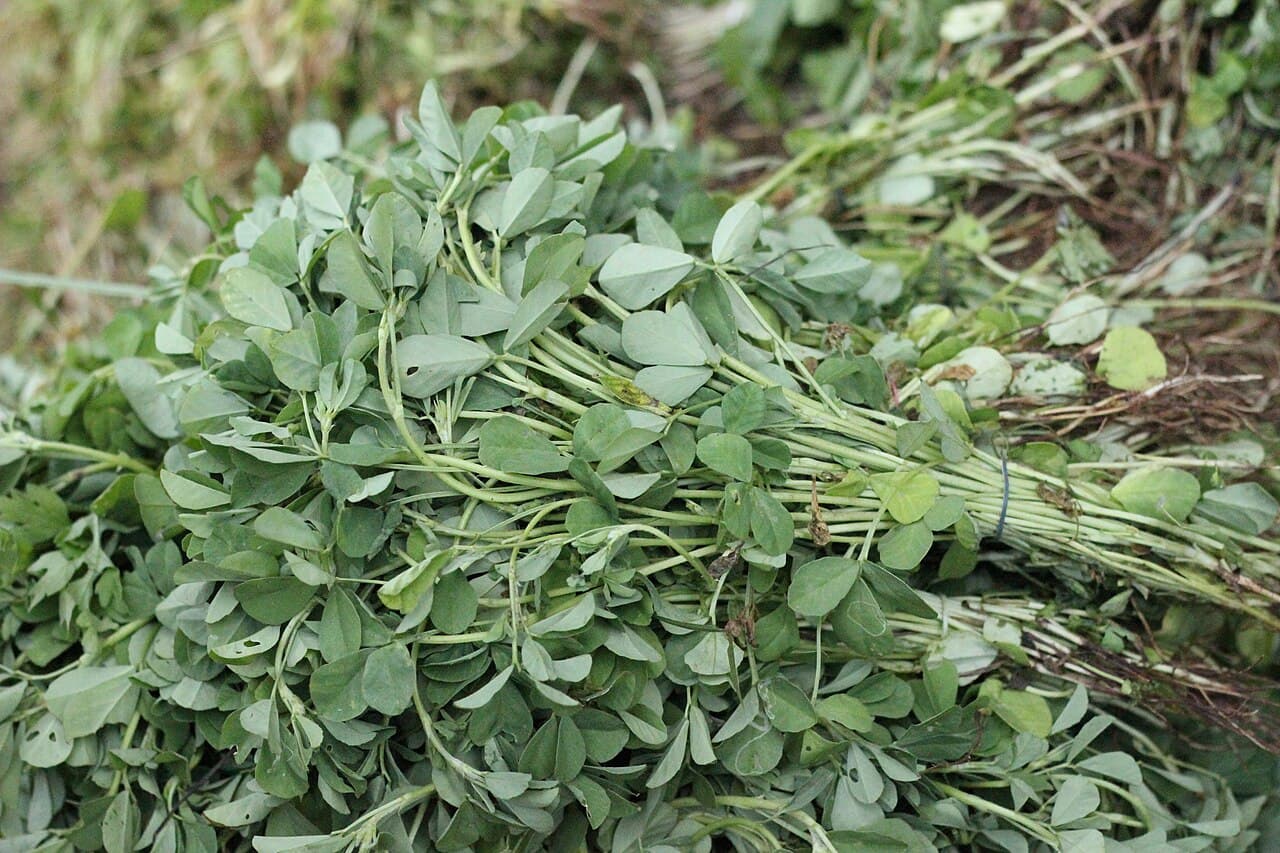
Fenugreek
30–45 days·
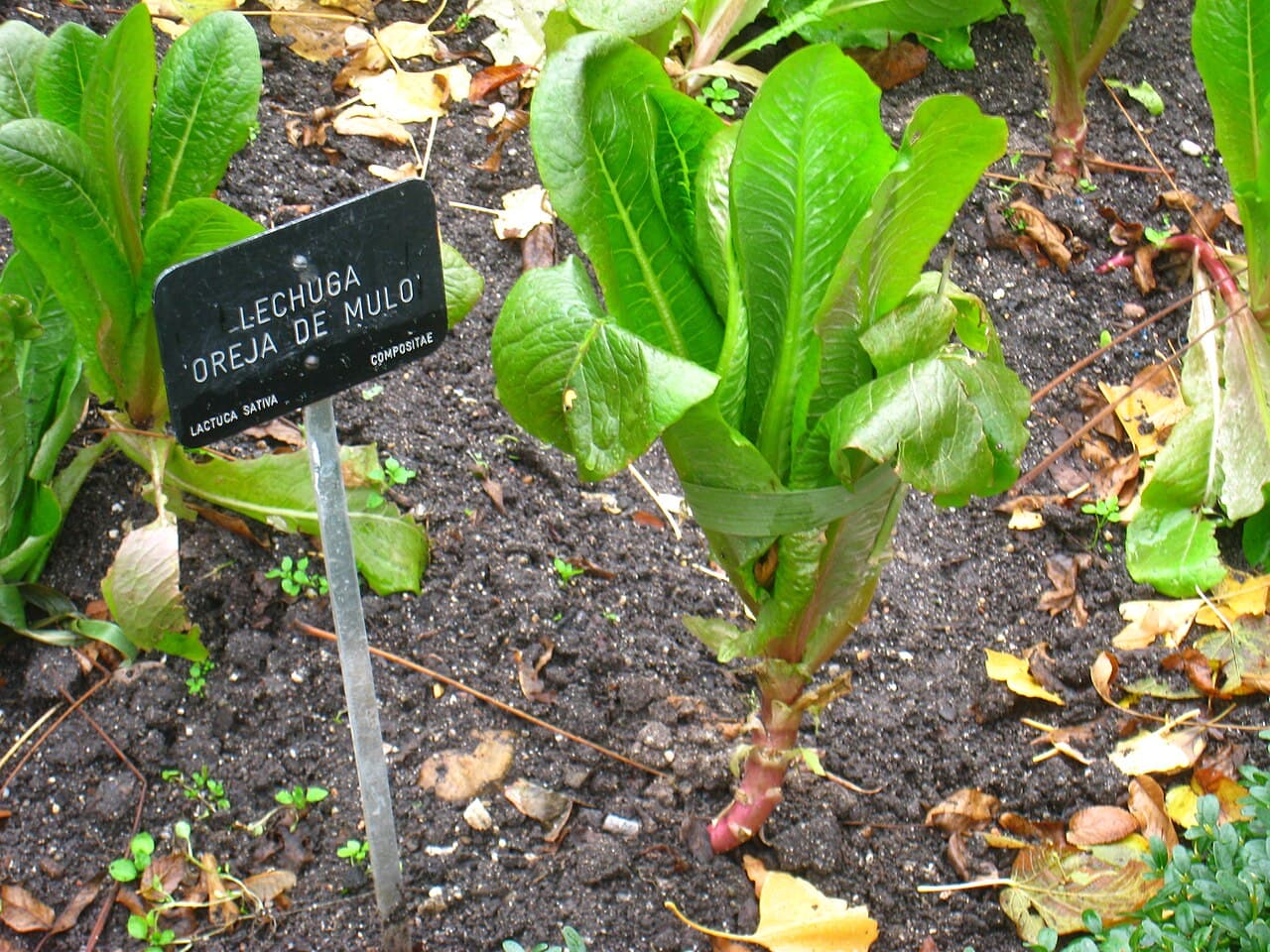
Lettuce
45–70 days·
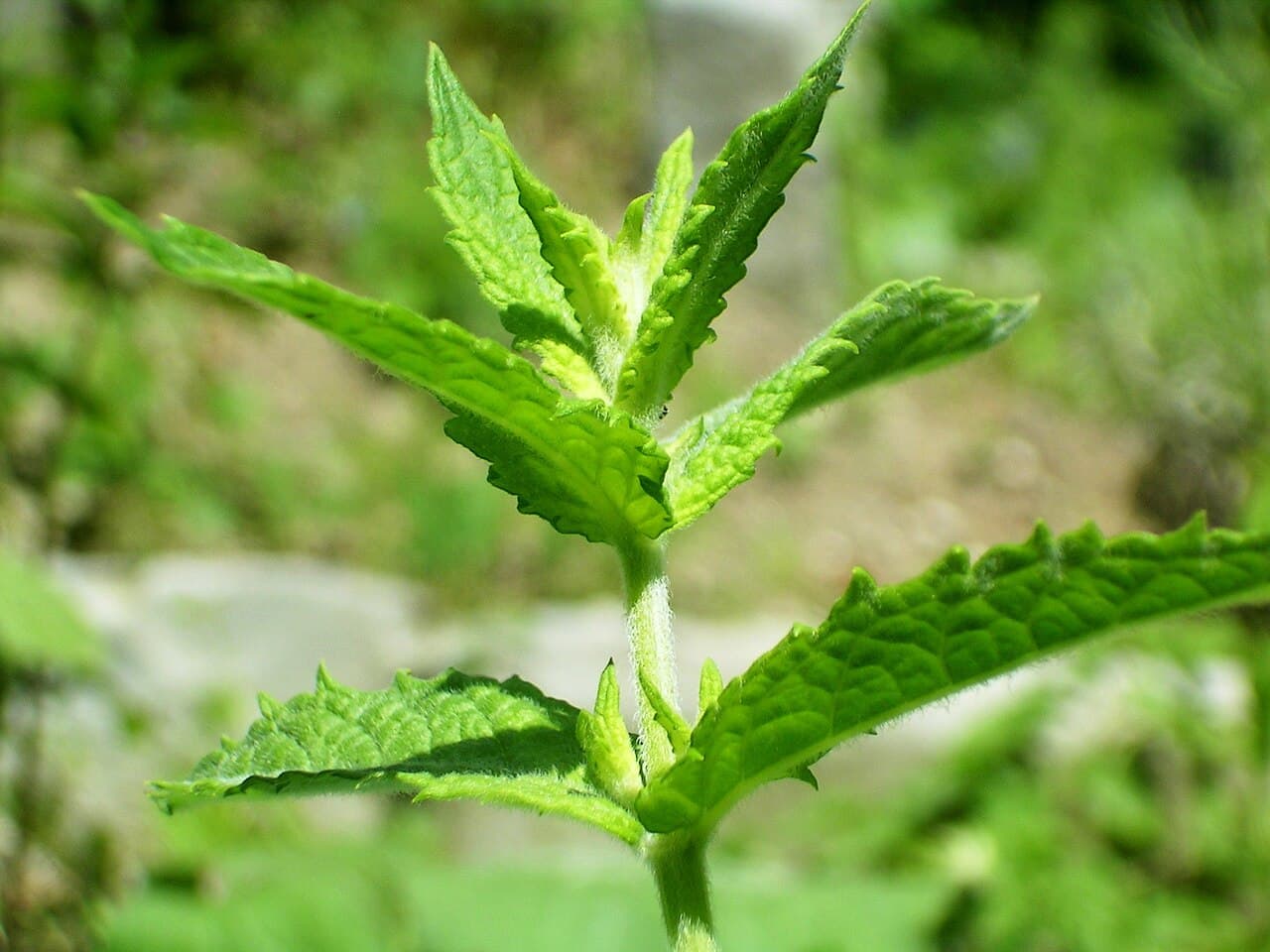
Mint
55–75 days·
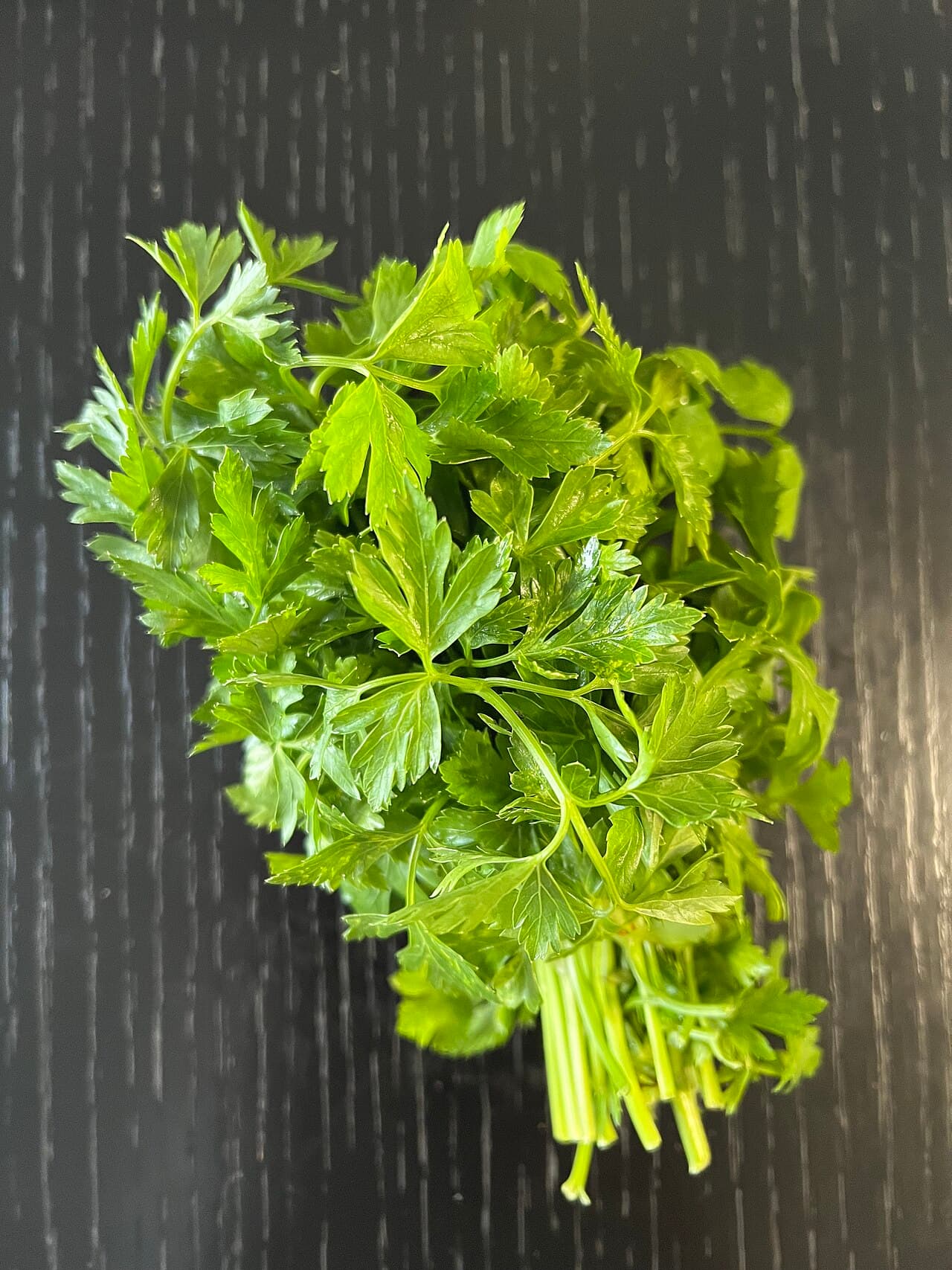
Parsley
70–90 days·
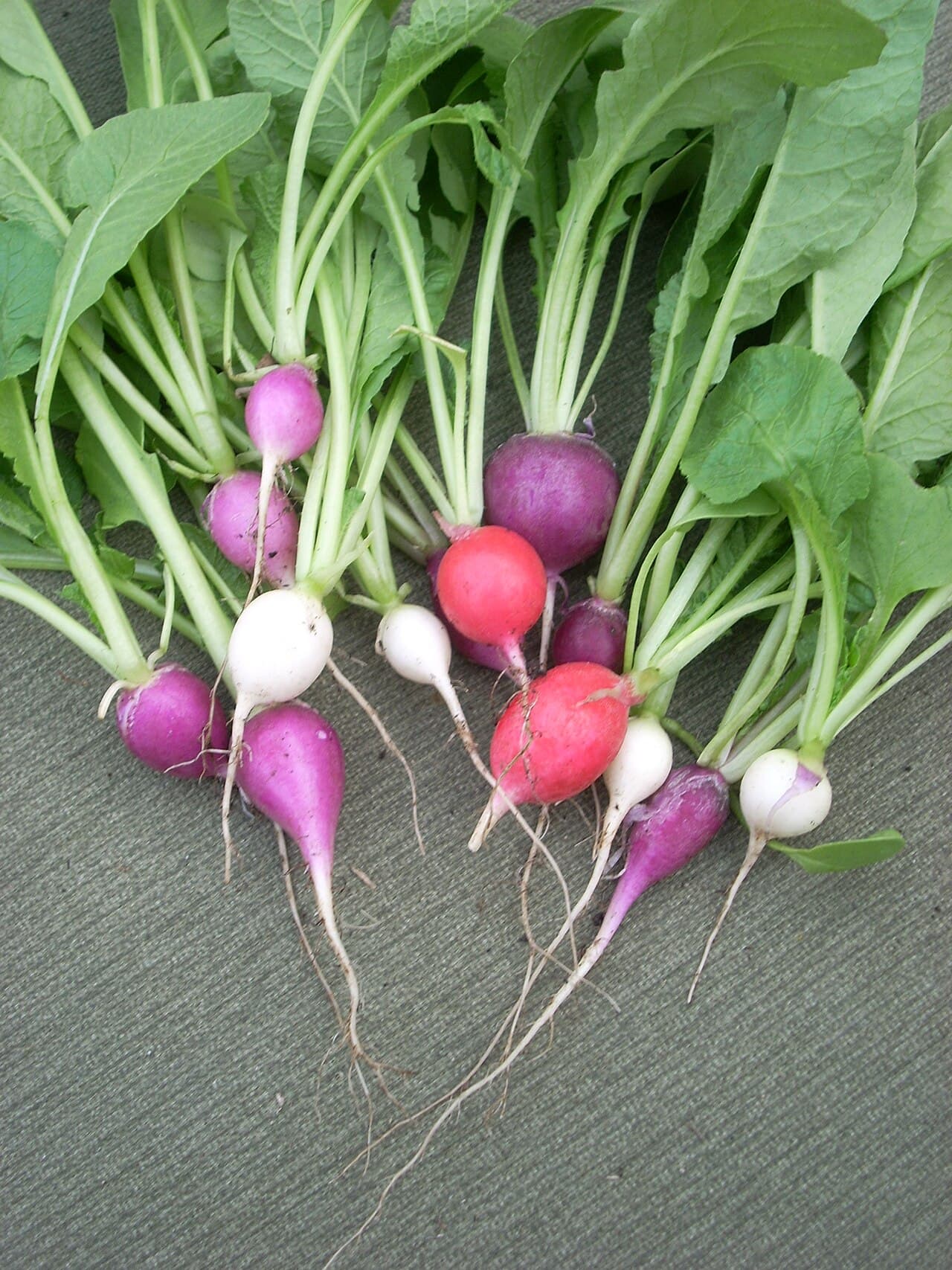
Radish
25–40 days·
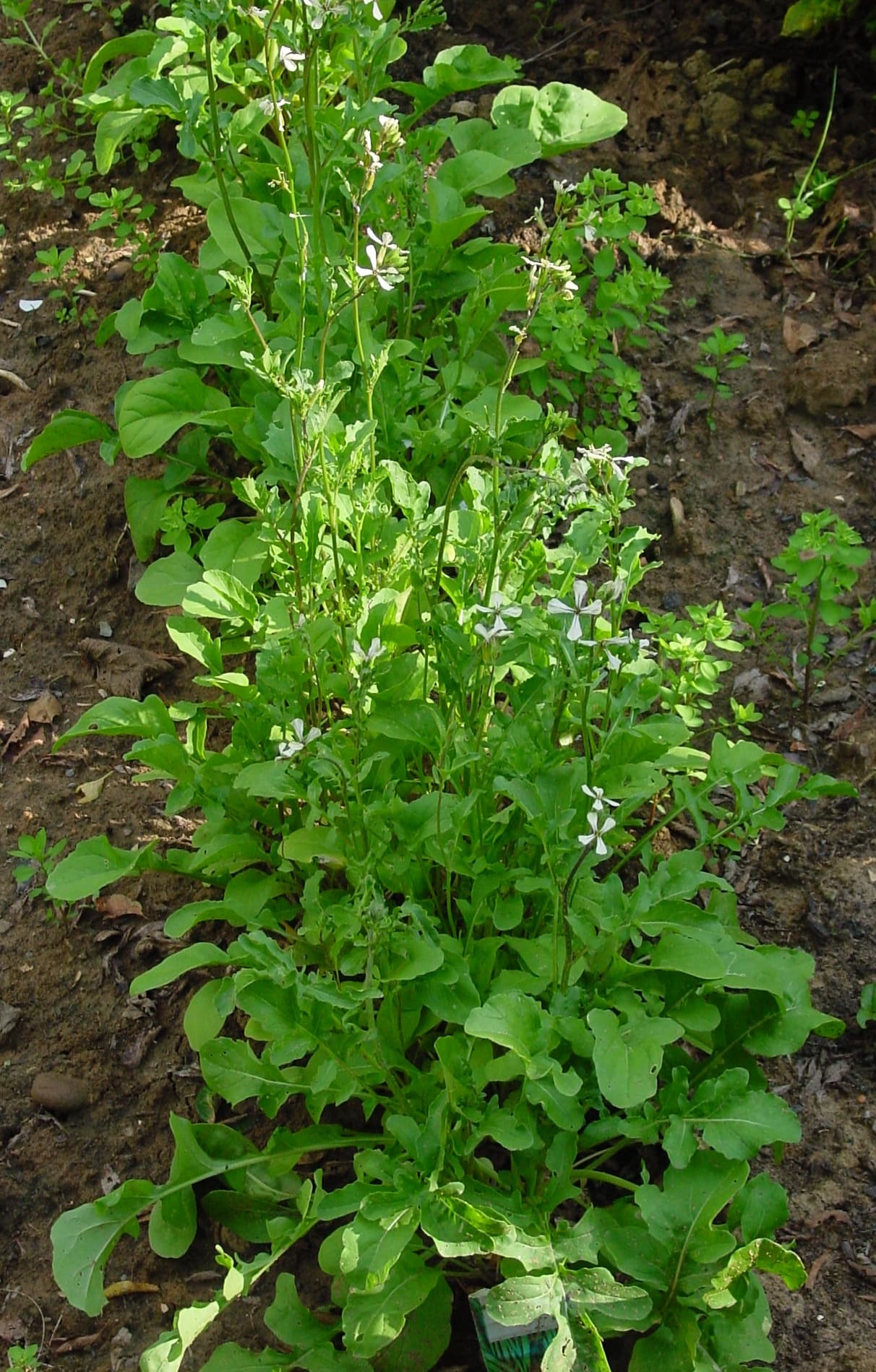
Rocket
21–35 days·
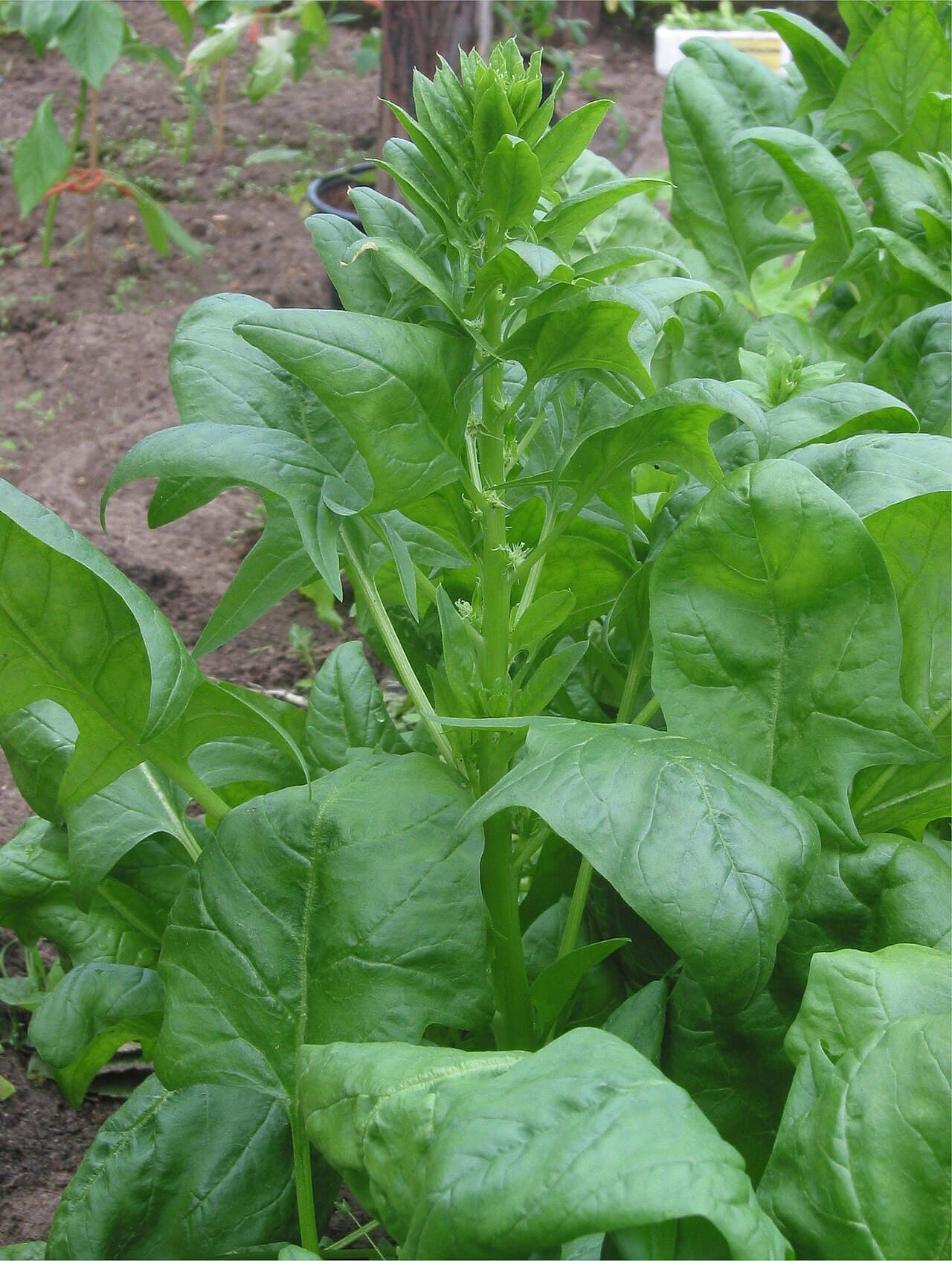
Spinach
35–50 days·
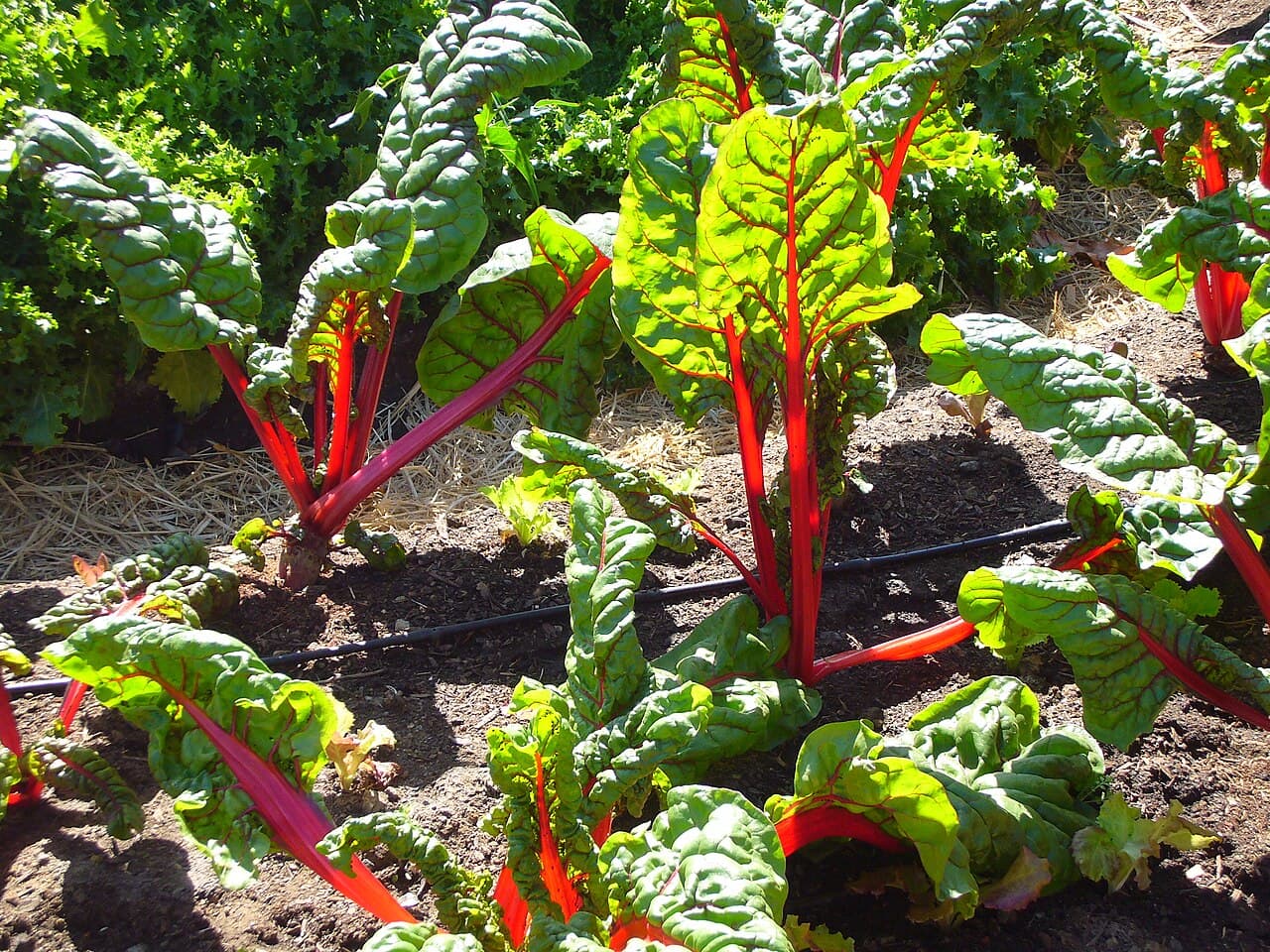
Swiss chard
50–65 days·
Last chance: sow by the 15th
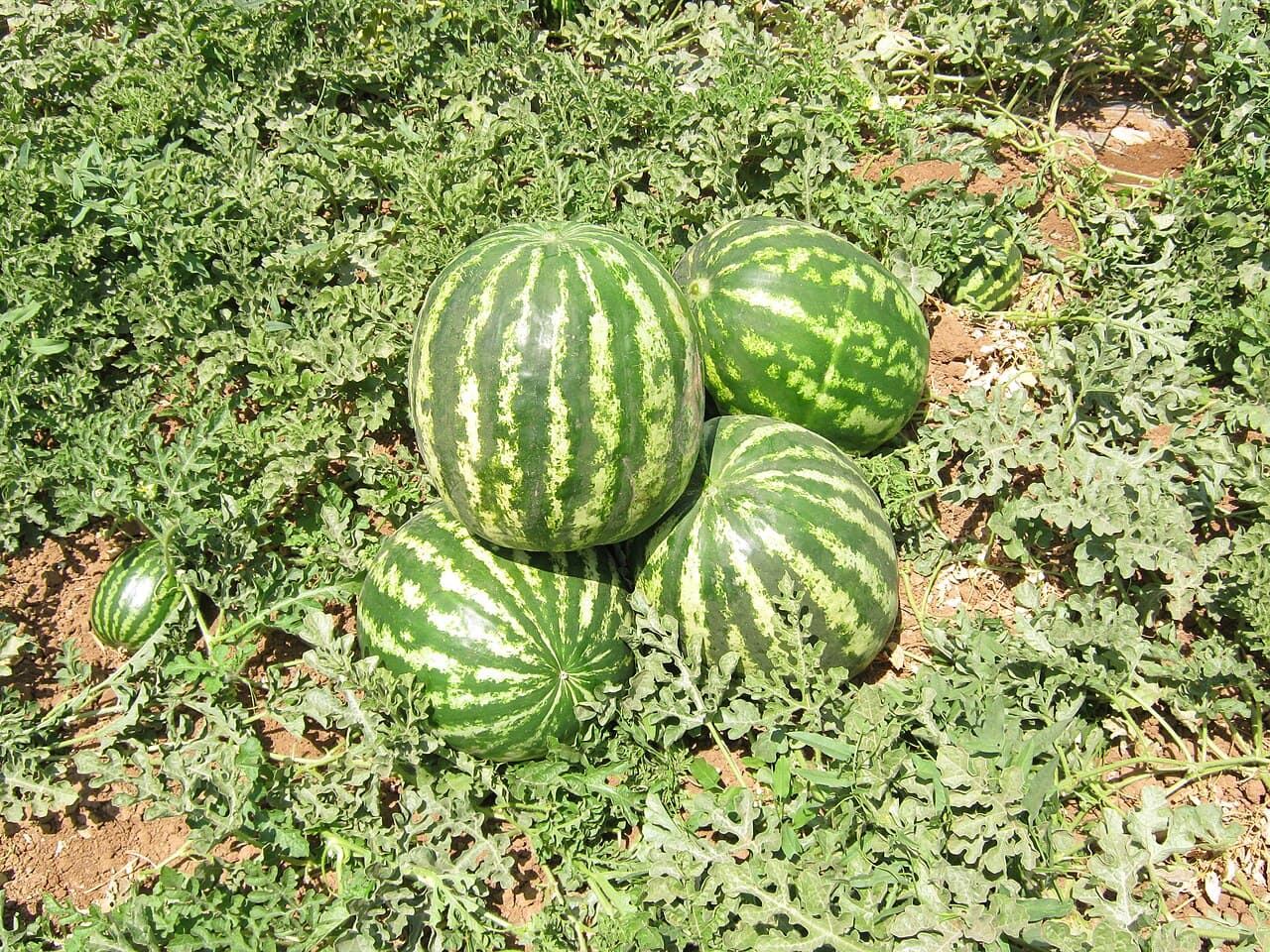
Ready to harvest in January
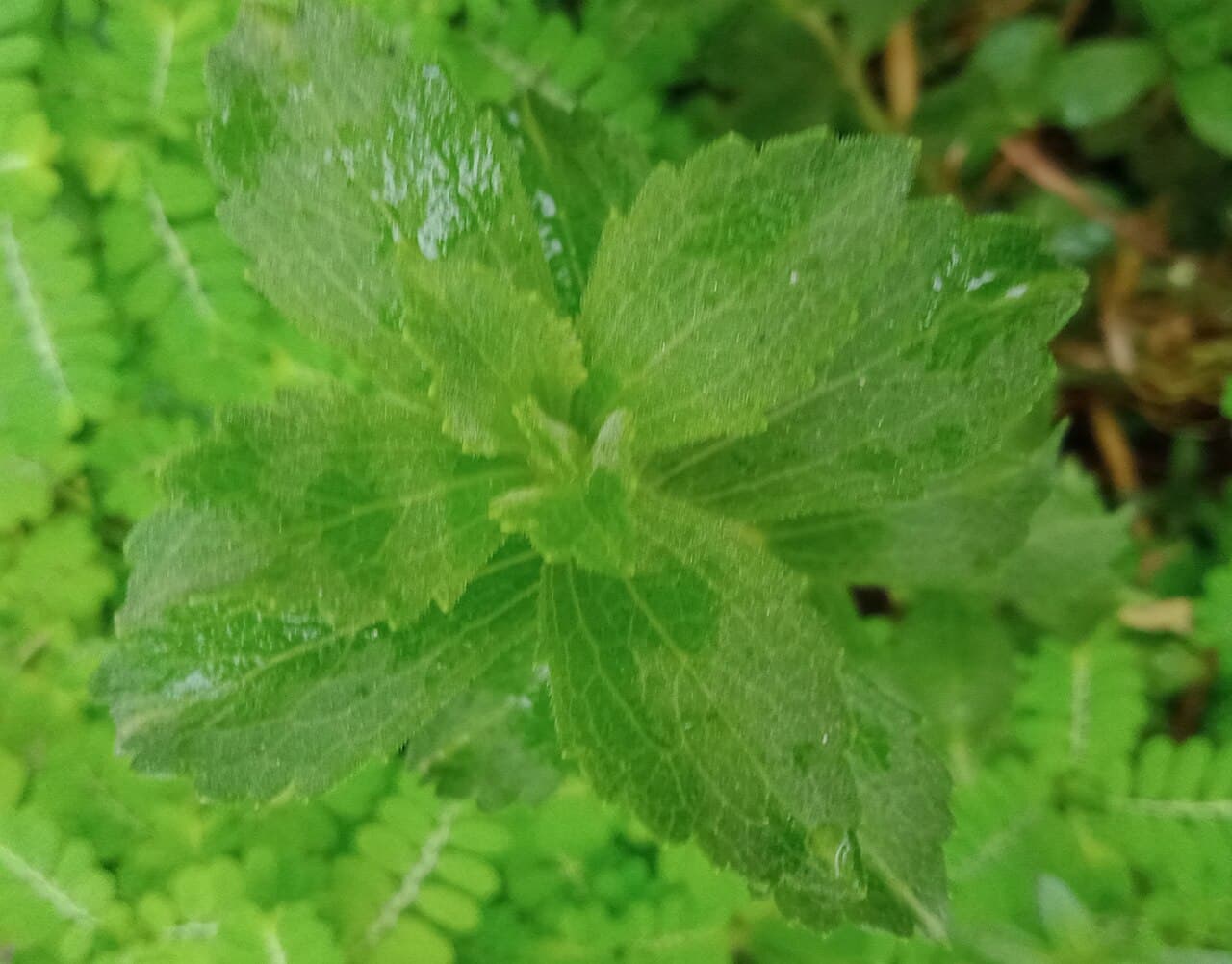
Basil
45–60 days·
Beetroot
60–85 days·
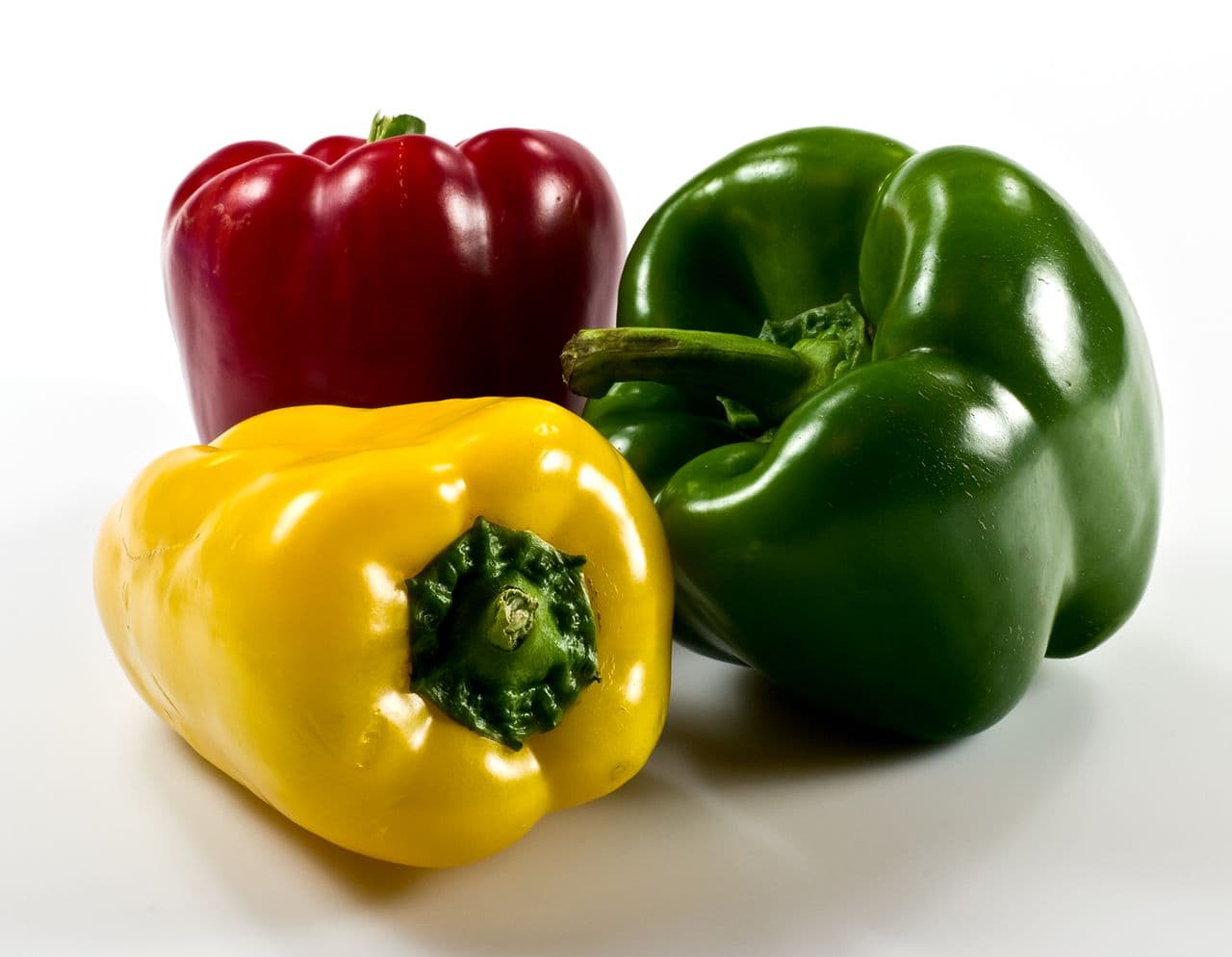
Bell pepper
110–140 days·
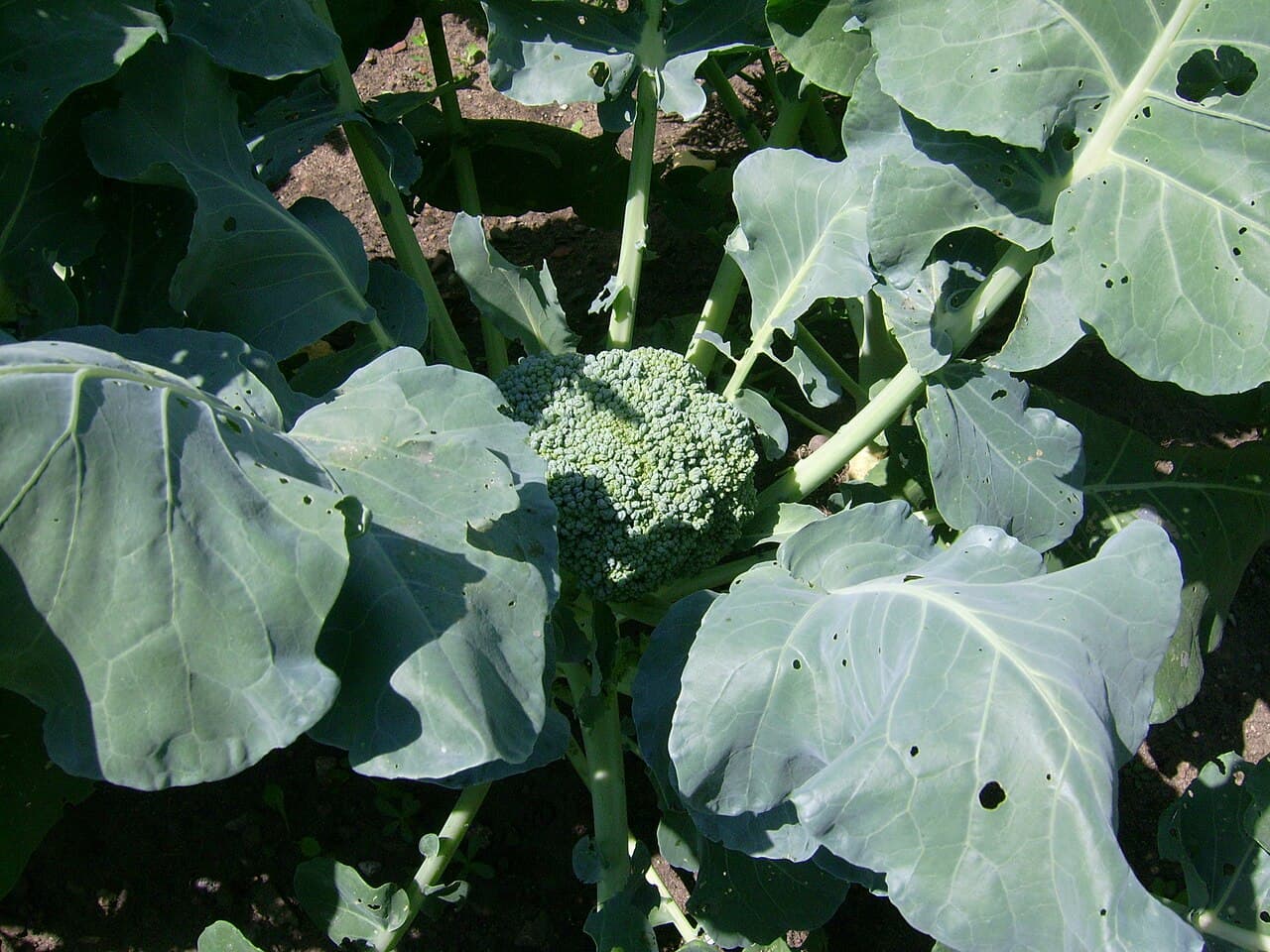
Broccoli
70–95 days·
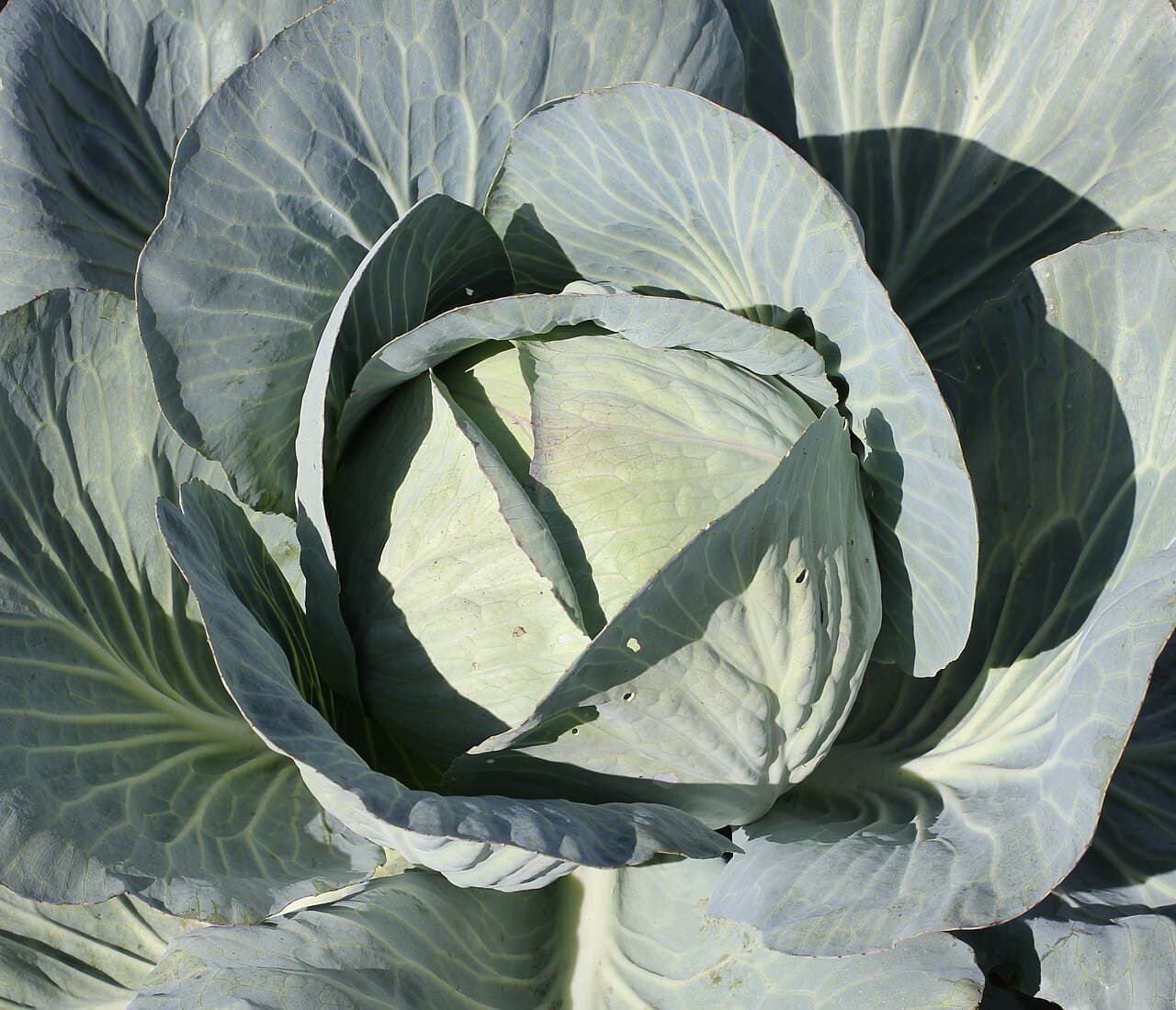
Cabbage
80–110 days·
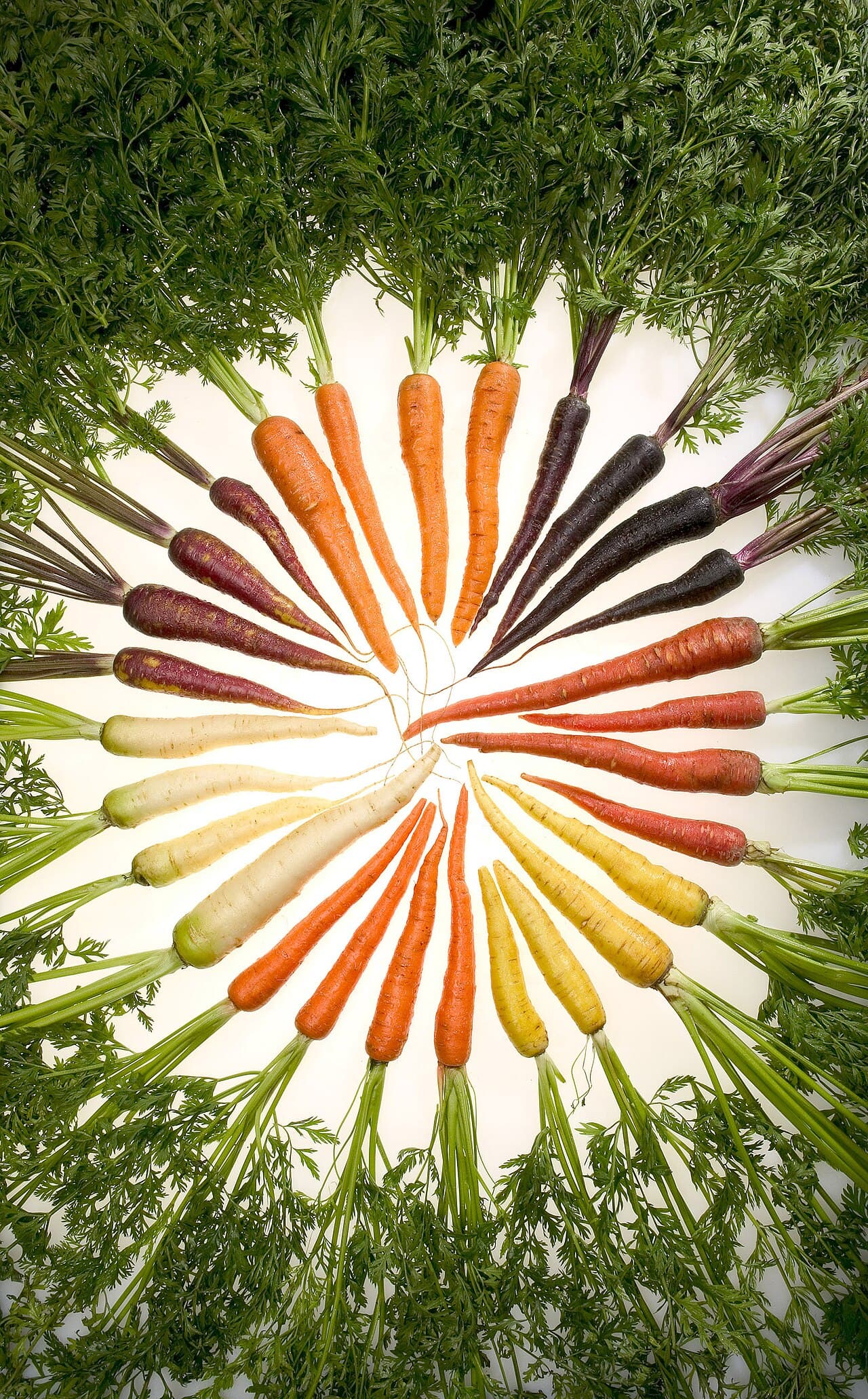
Carrot
80–110 days·
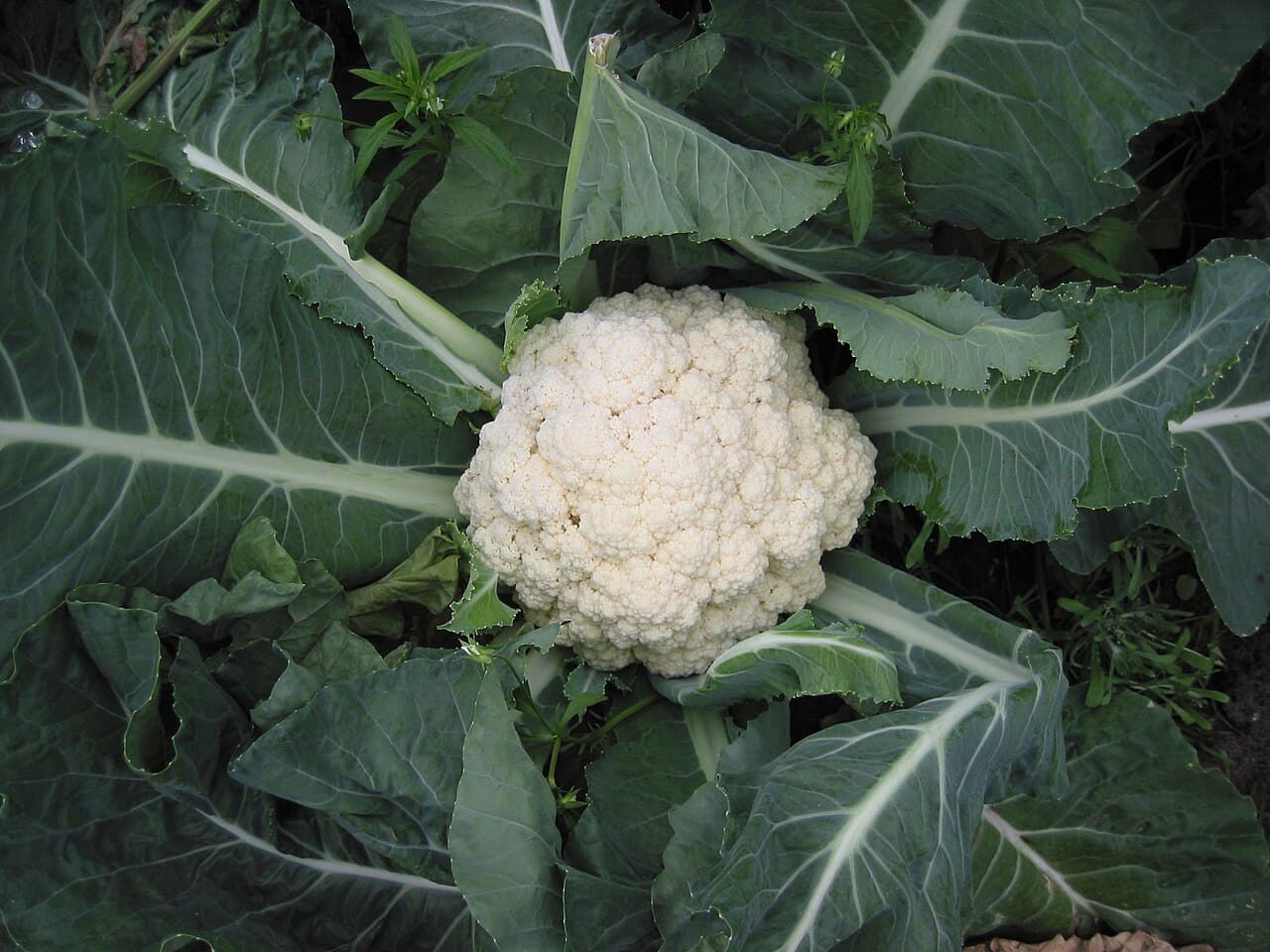
Cauliflower
90–115 days·
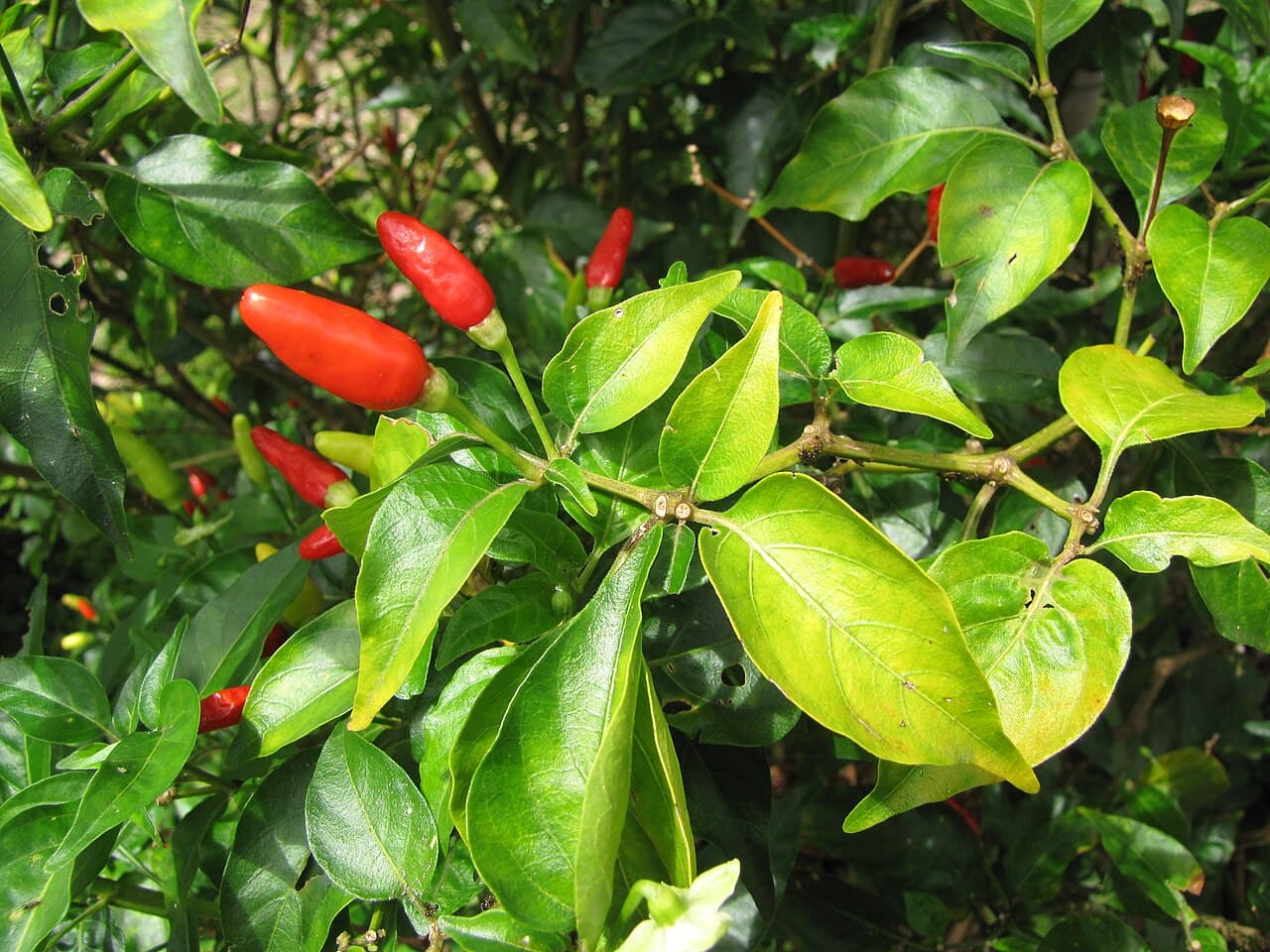
Chilli
90–120 days·
Coriander
35–50 days·
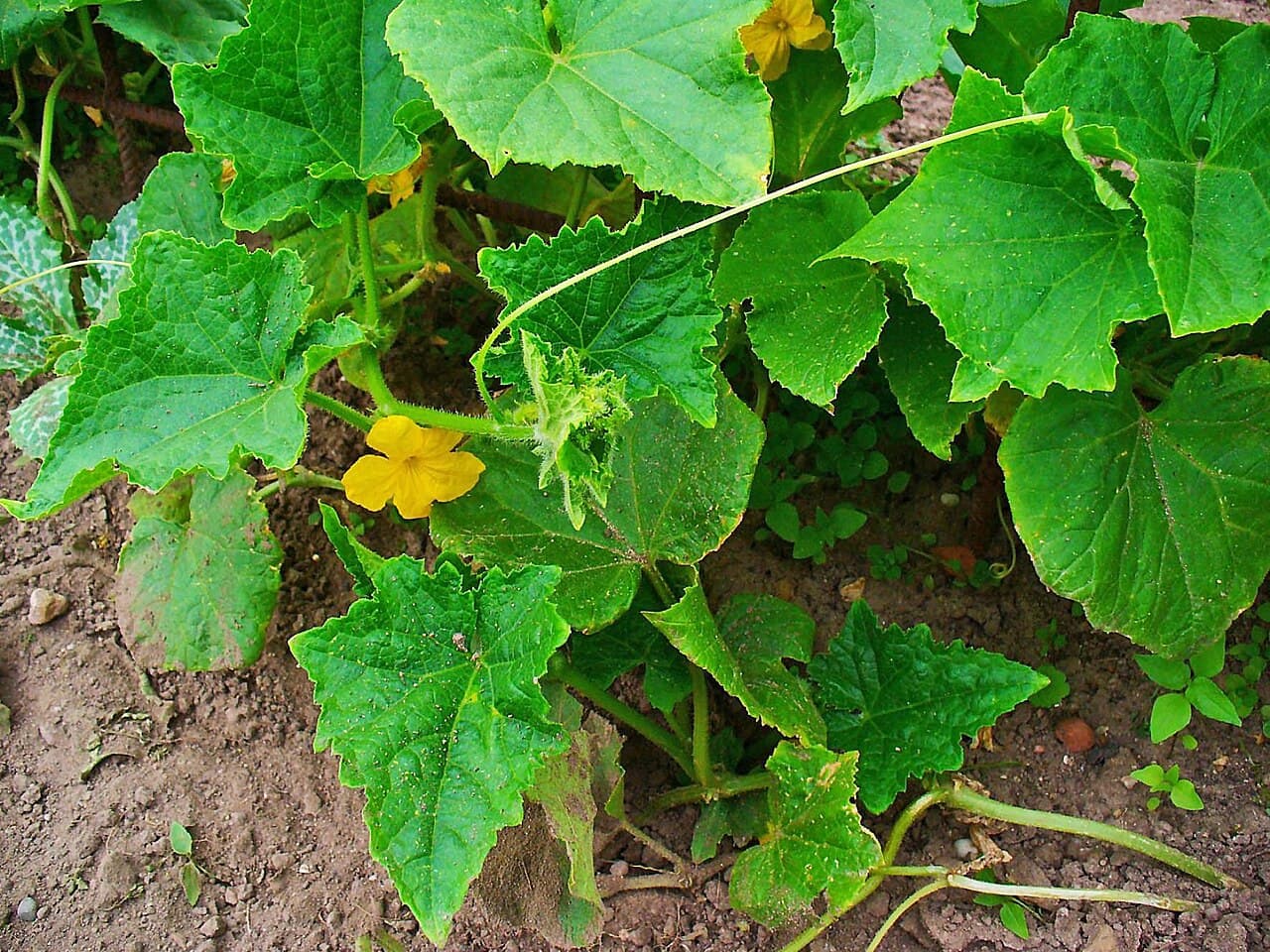
Cucumber
50–65 days·
Dill
40–60 days·
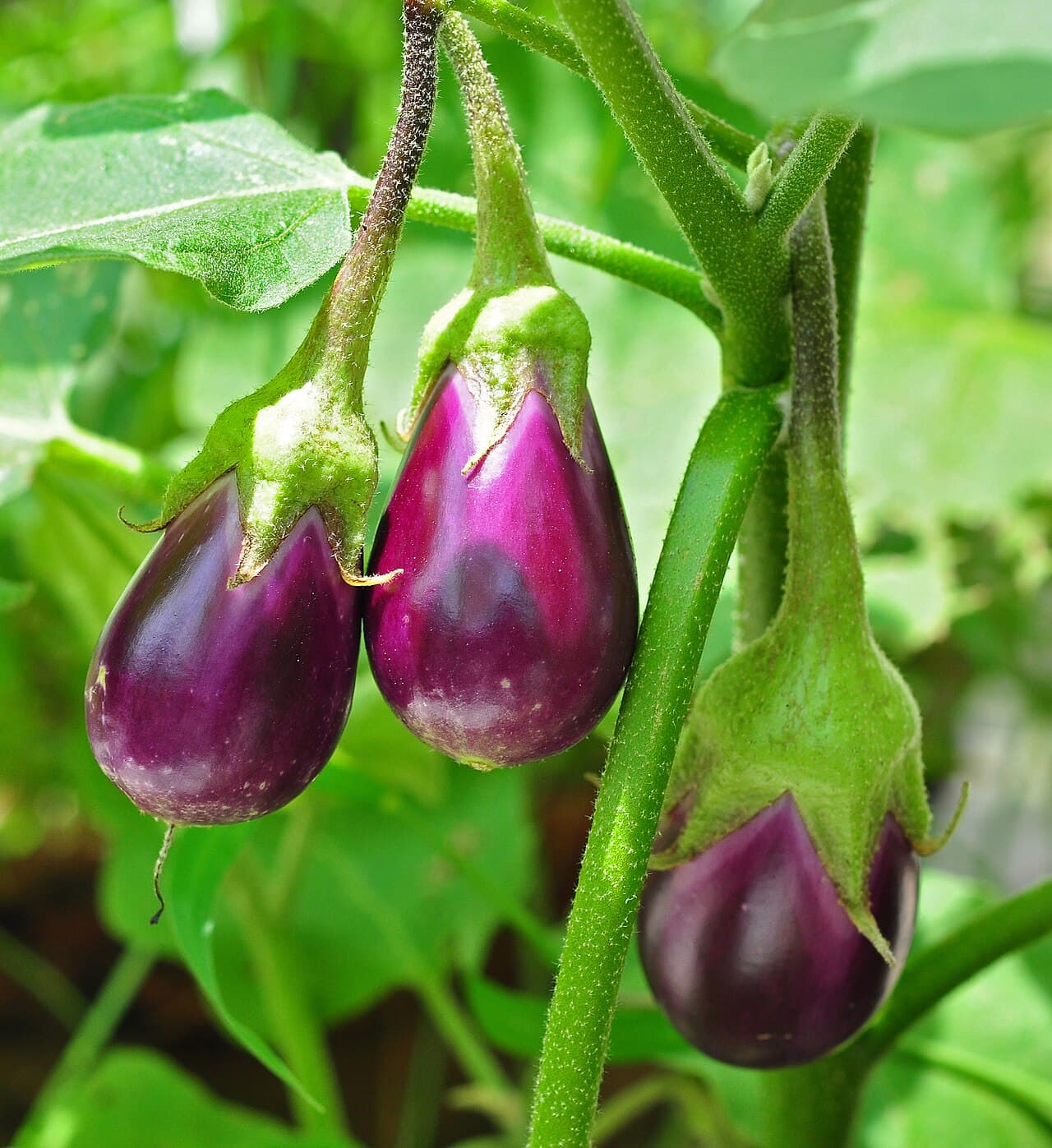
Eggplant
110–140 days·
Fenugreek
30–45 days·
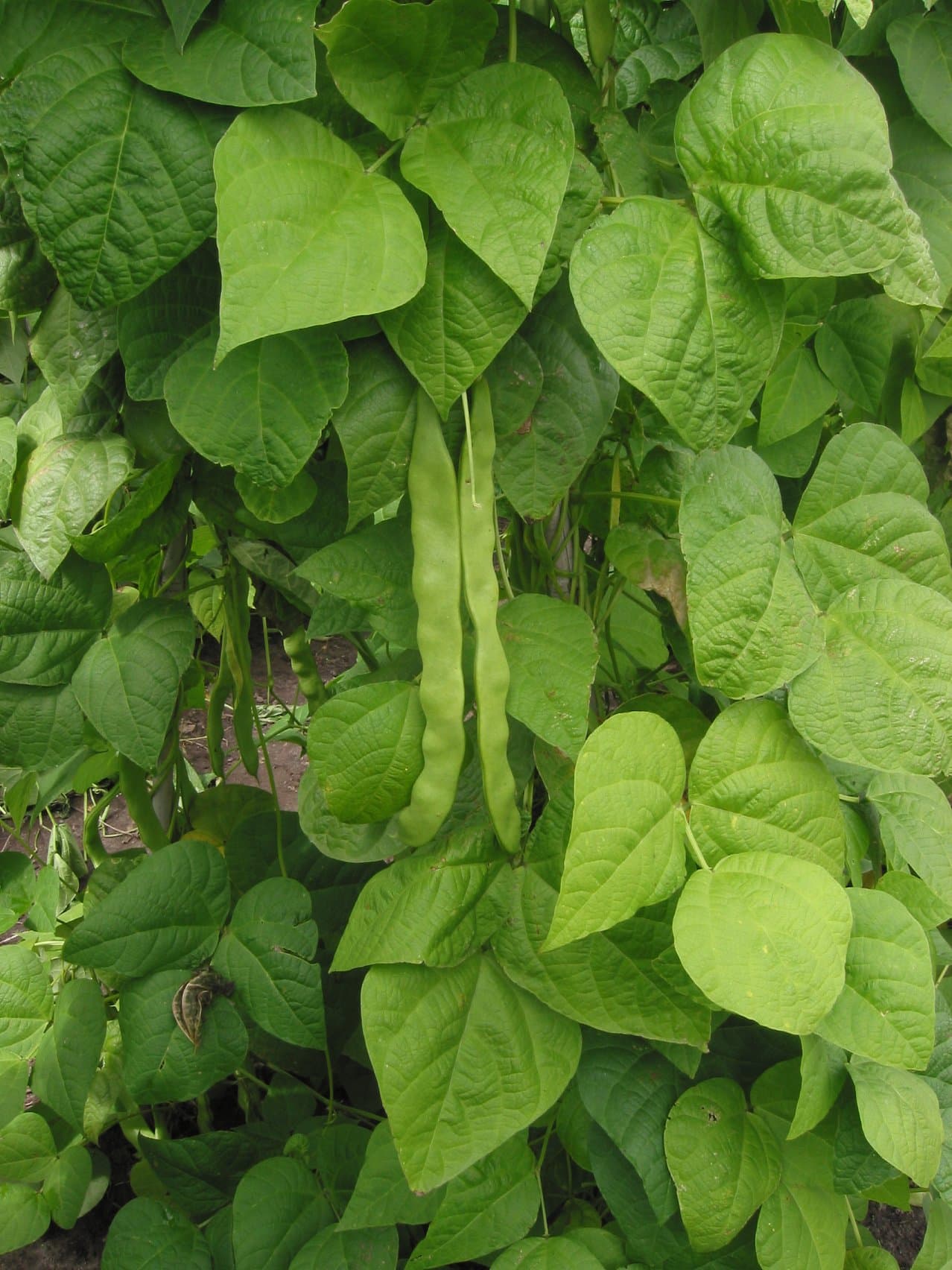
Green bean
55–70 days·
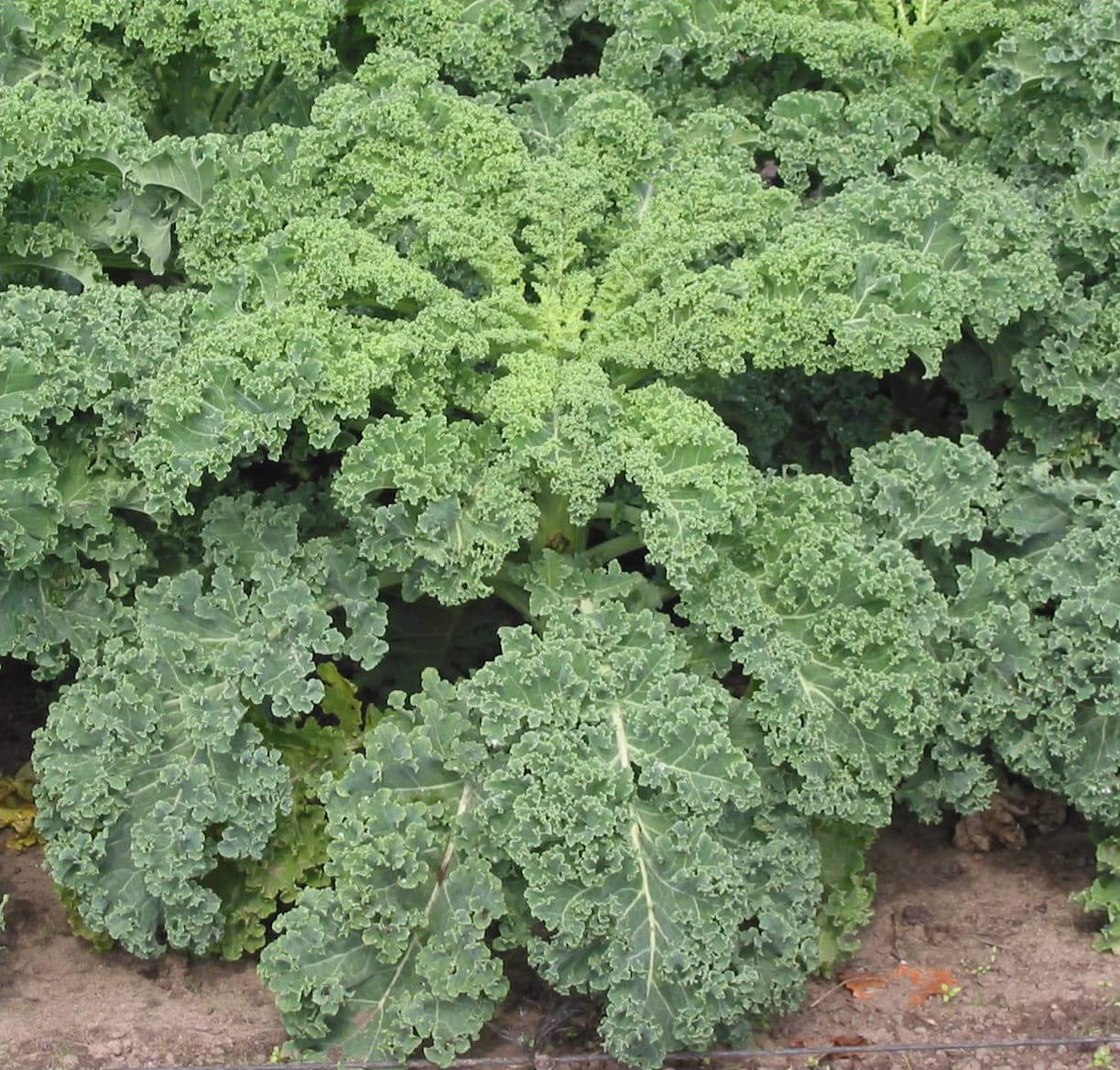
Kale
55–75 days·
Lettuce
45–70 days·
Mint
55–75 days·
Parsley
70–90 days·
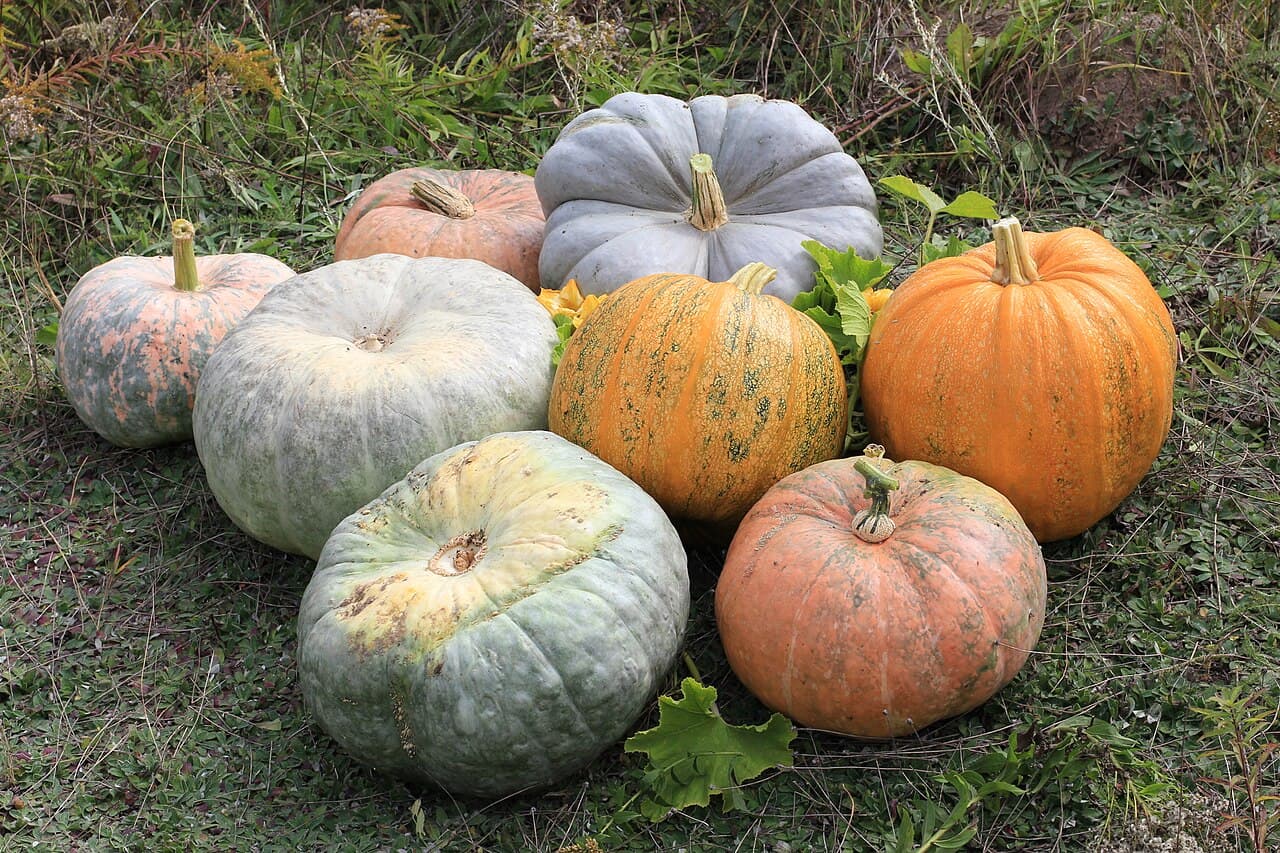
Pumpkin
95–125 days·
Radish
25–40 days·
Rocket
21–35 days·
Spinach
35–50 days·
Swiss chard
50–65 days·
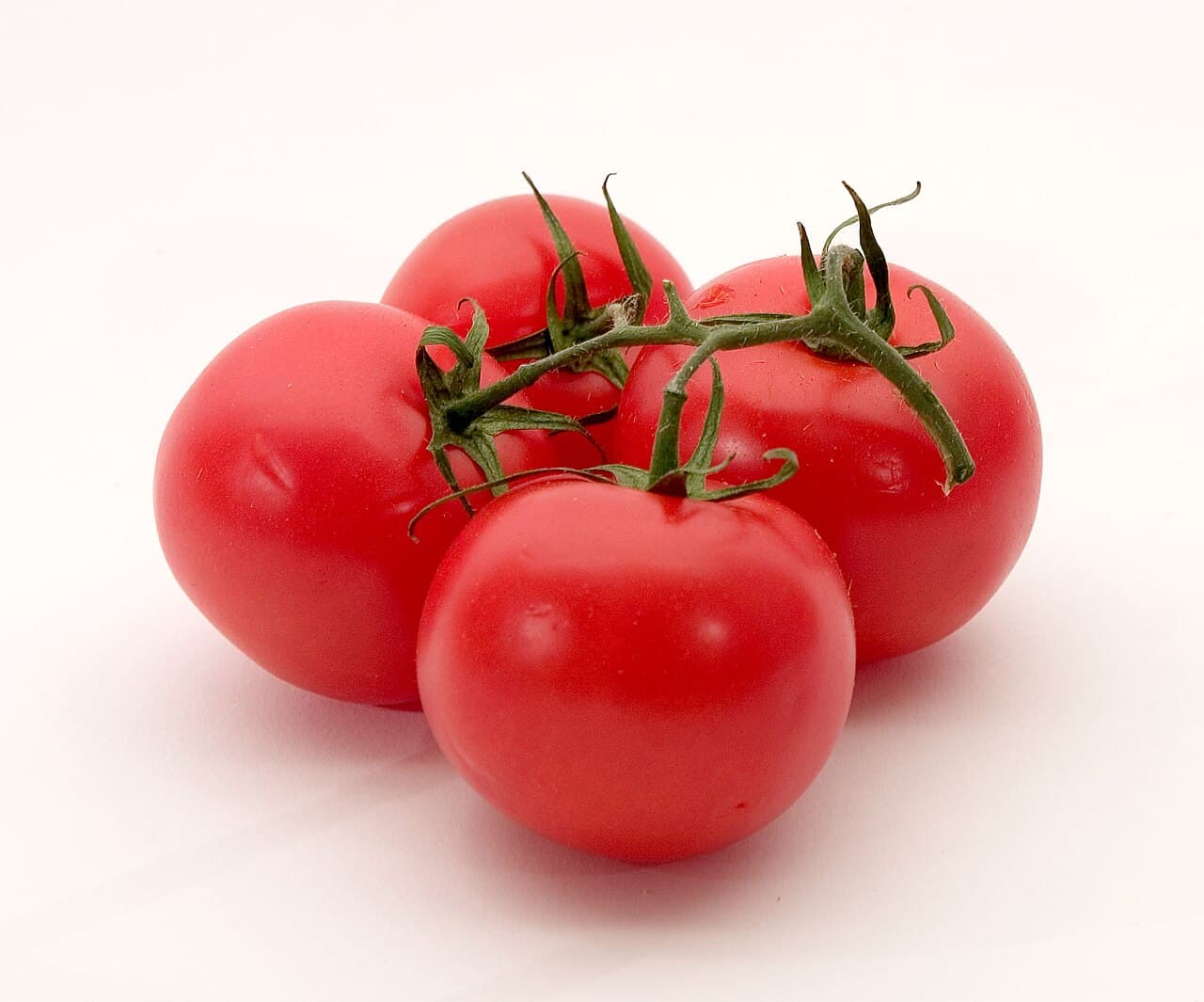
Tomato
100–130 days·
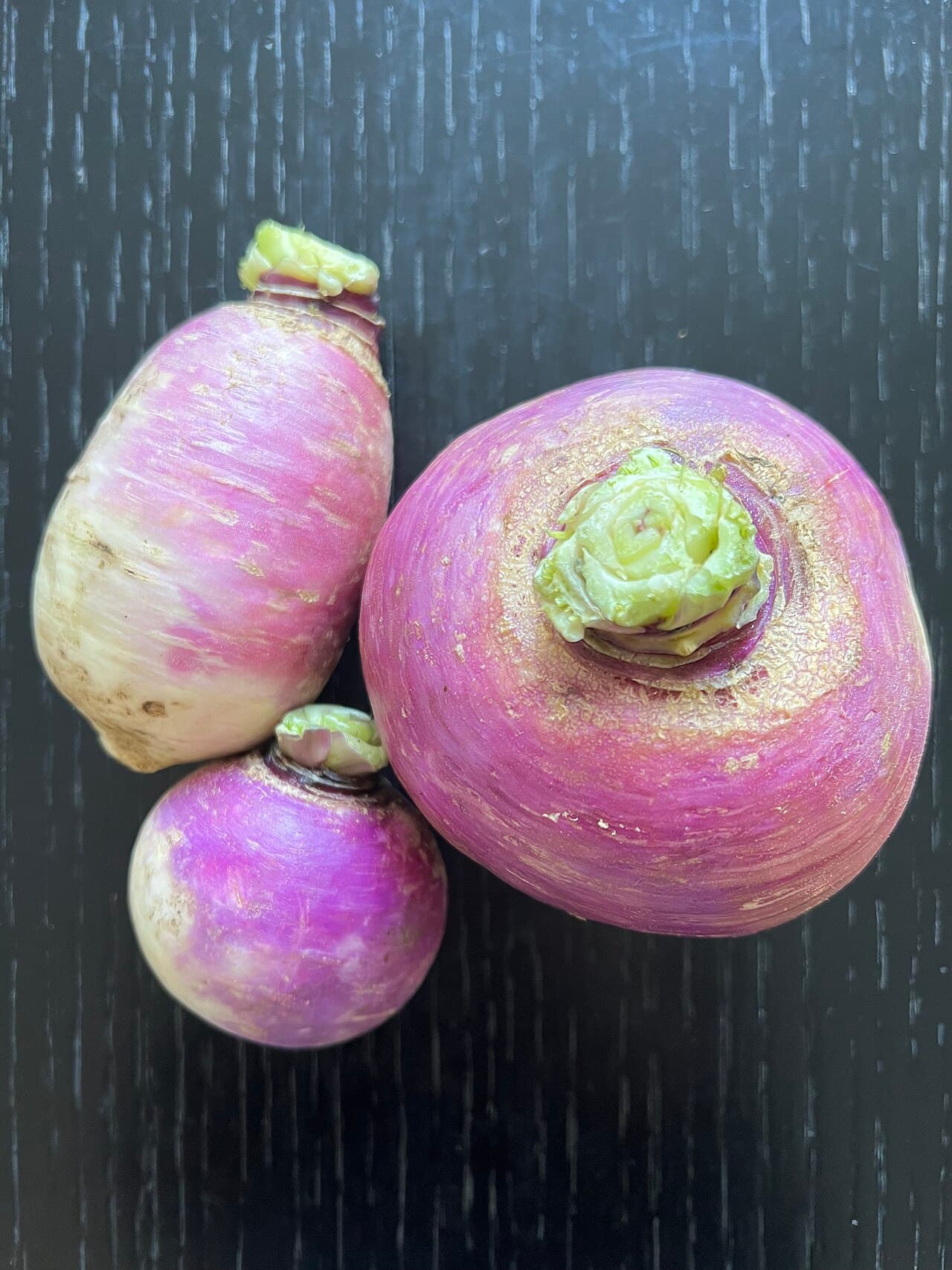
Turnip
45–65 days·
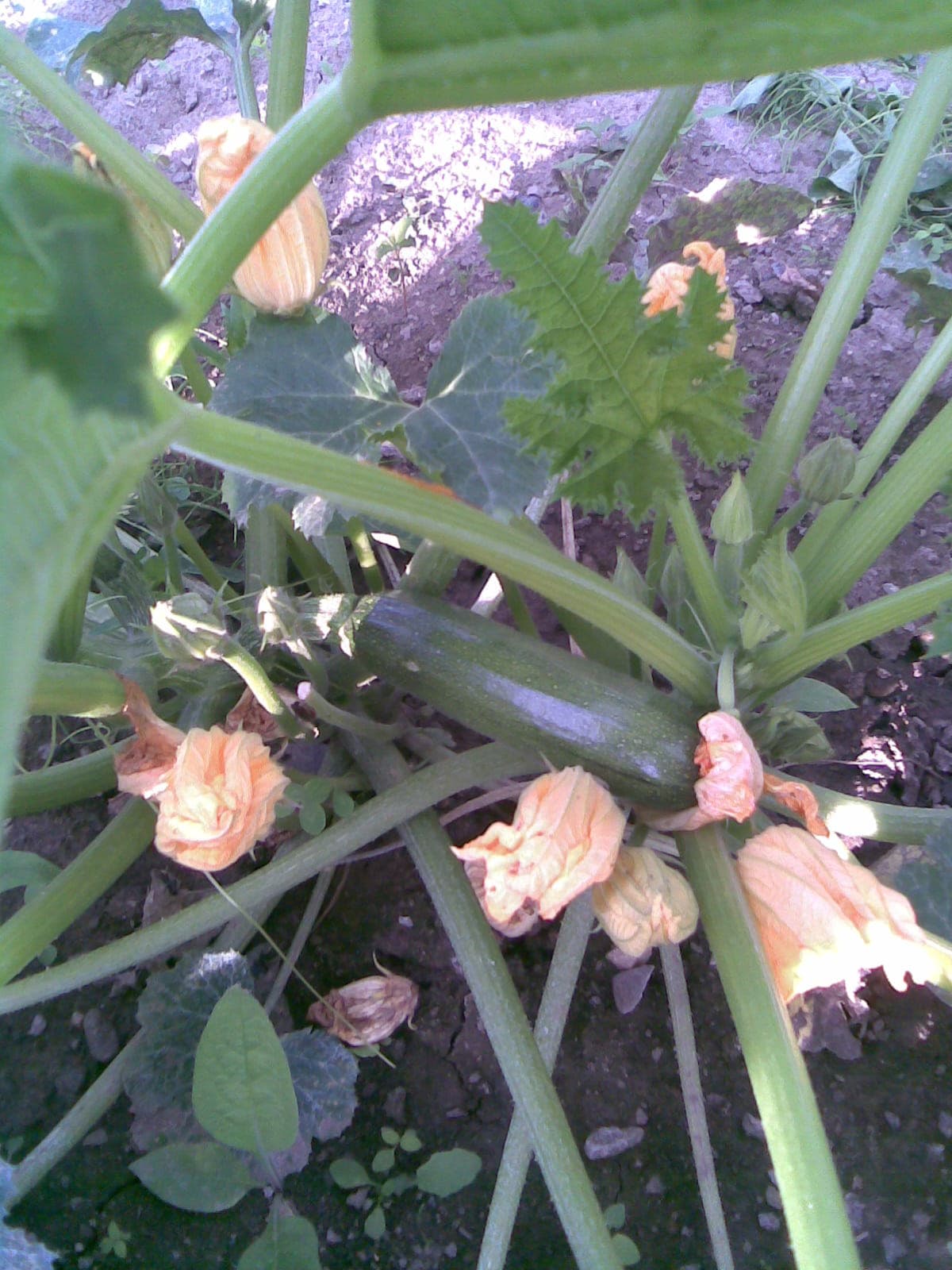
Zucchini
45–60 days·
Coming up in February
These can’t be sown yet, but their window opens next month.
Basil
45–60 days·
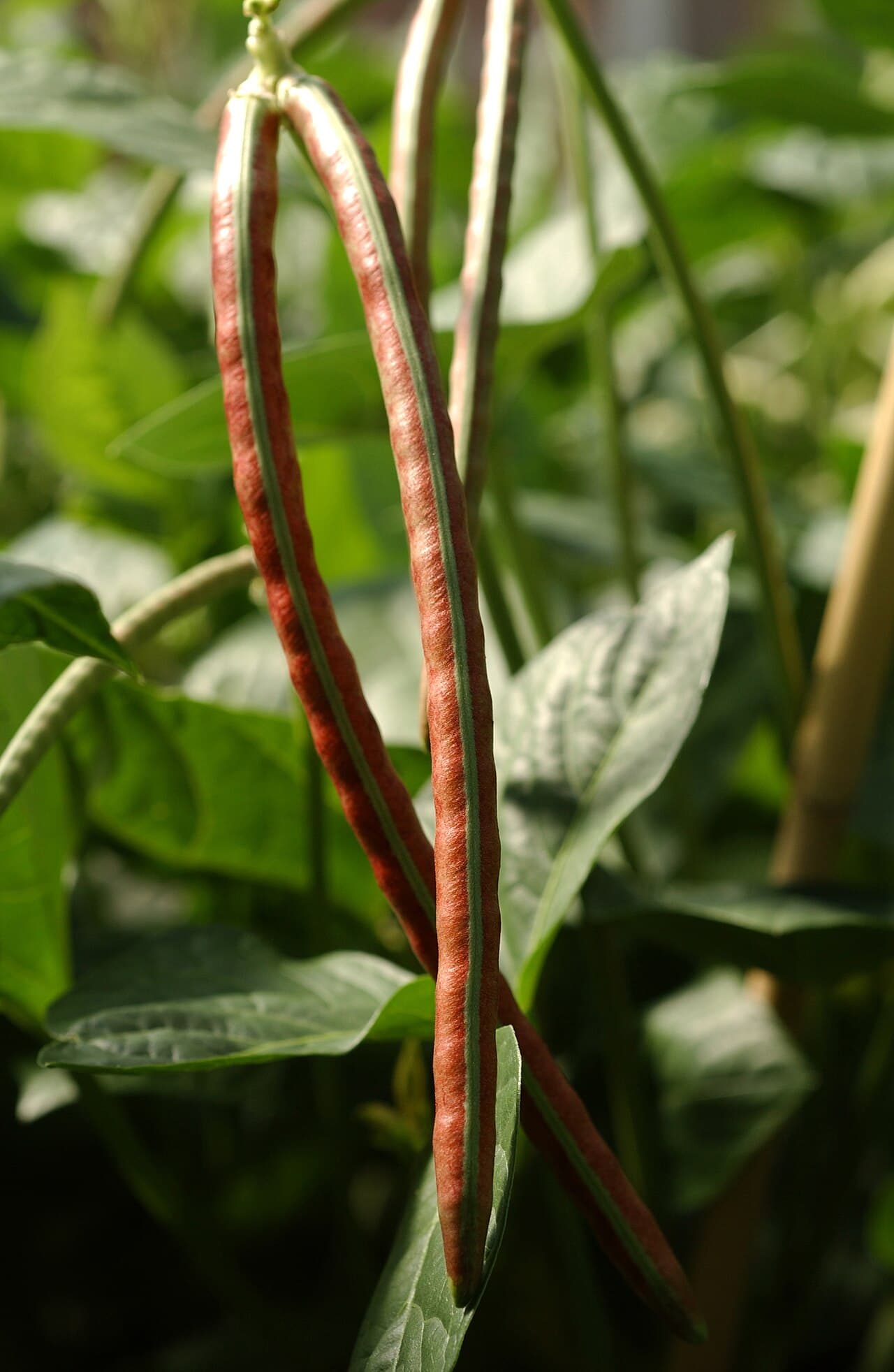
Cowpea
60–80 days·
Green bean
55–70 days·
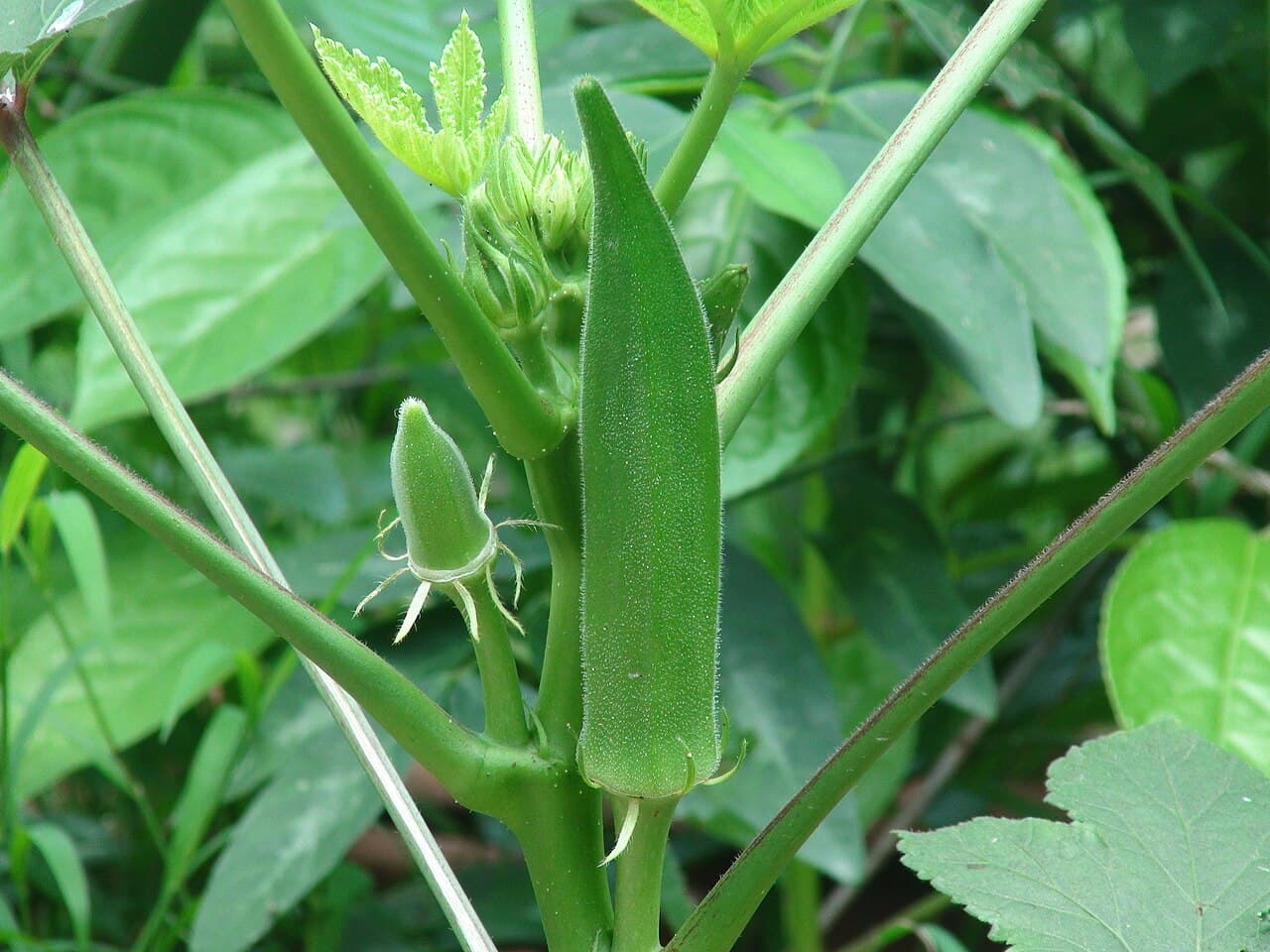
Okra
55–70 days·
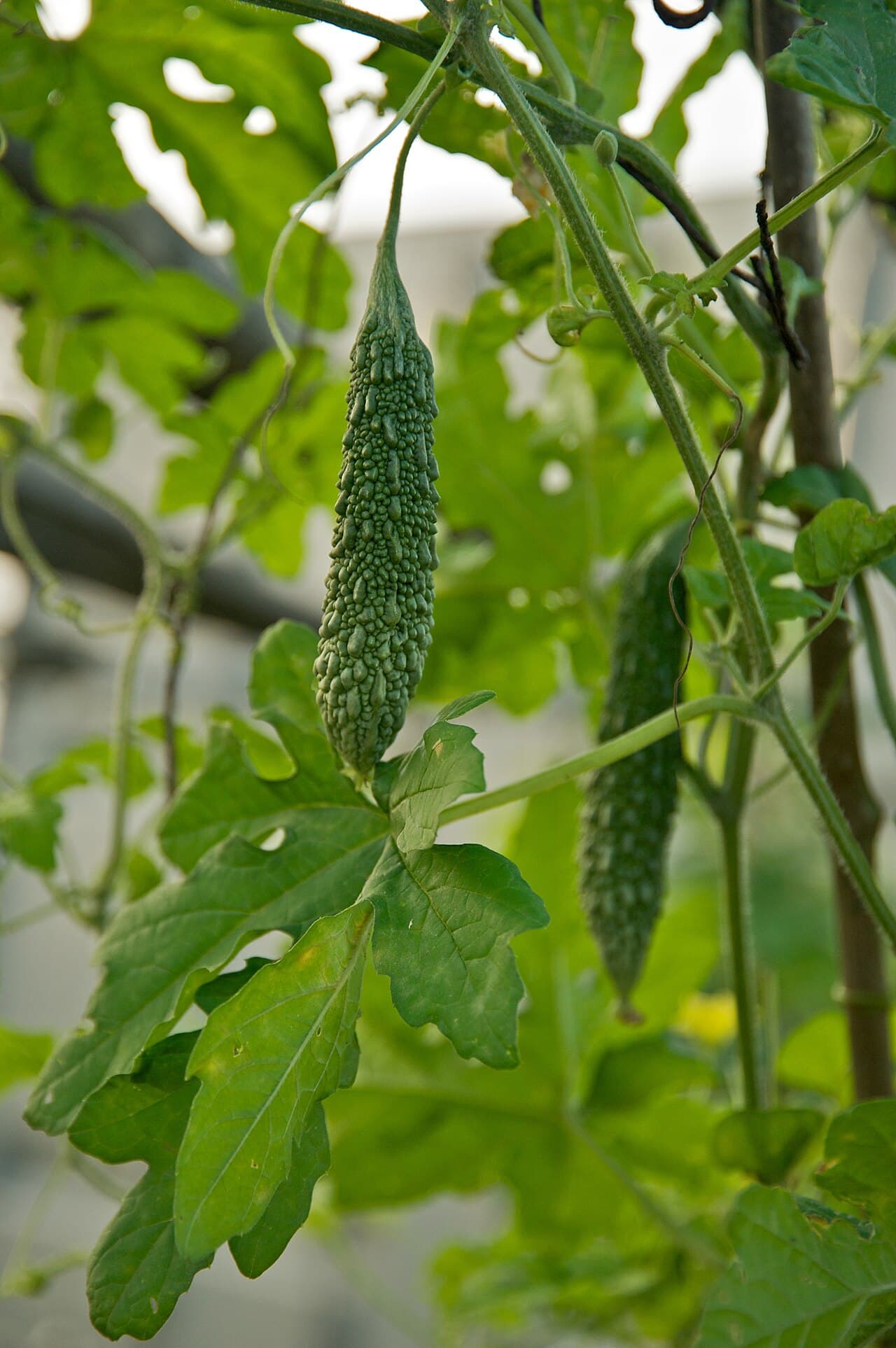
Bitter gourd
60–80 days·
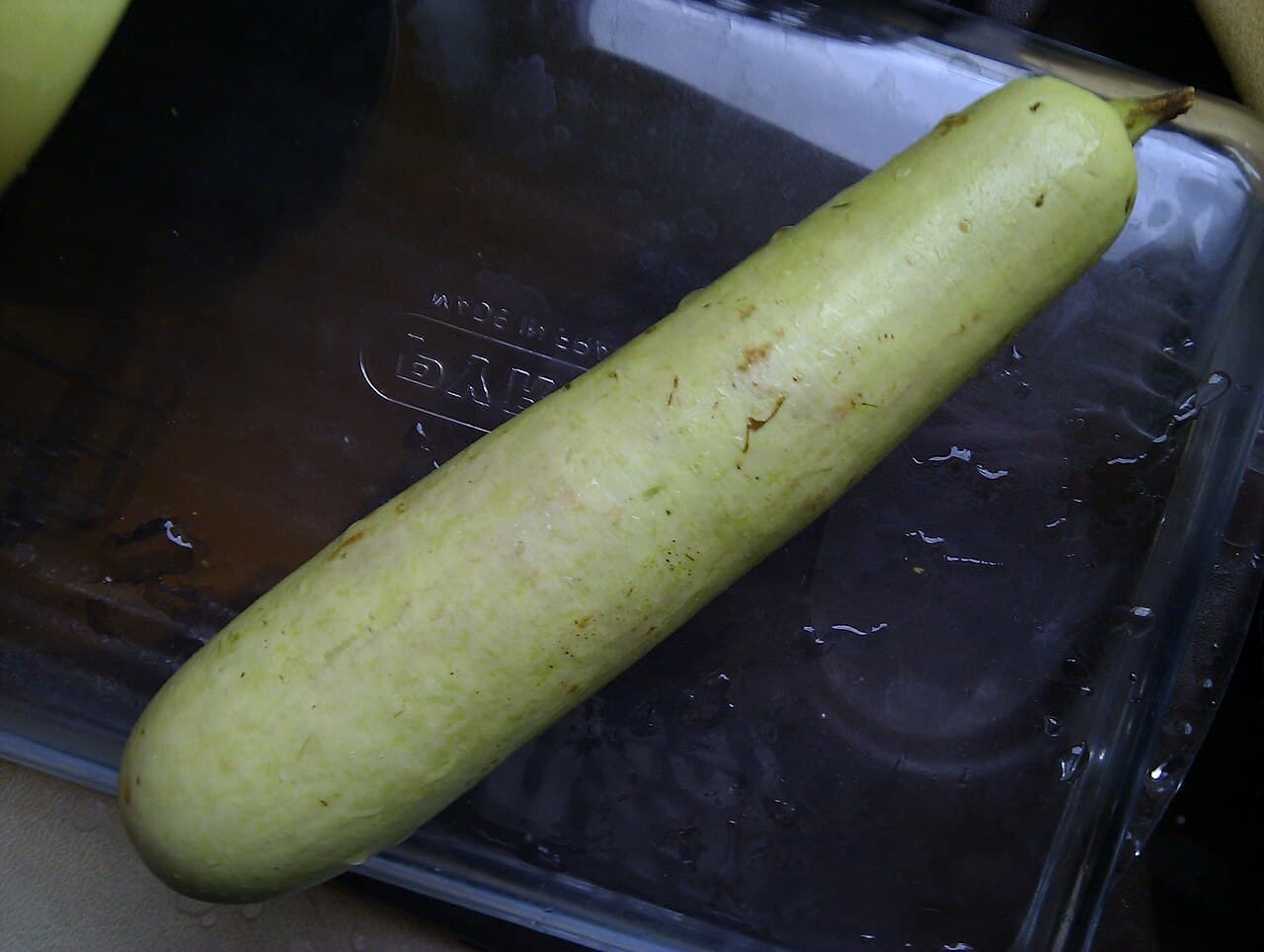
Bottle gourd
60–80 days·
The season: Al-Murabbaniya
7 December – 15 January
The coldest forty days of the year, and the wettest. Night temperatures can drop below 10 °C.
Leafy greens are at their best — lettuce, spinach, cabbage. Protect tender seedlings on cold nights and cut back watering.
The season: Ash-Shabt
16 January – 10 February
The cold begins to ease while the nights stay cool. Daytime is ideal for working outside.
The second planting wave. Sow short-cycle crops like radish and rocket, and start early-summer seedlings.
Based on the planting windows on each crop’s page, which also show how confident we are in each one. Timing can shift by a week or two with your site, shade and soil.